
150 years since the April Uprising: how Bulgaria's 1876 revolt shook Europe
In 1876 Bulgarians rose against Ottoman rule. The uprising was crushed with great brutality – yet it put the Bulgarian question on the agenda of European diplomacy.
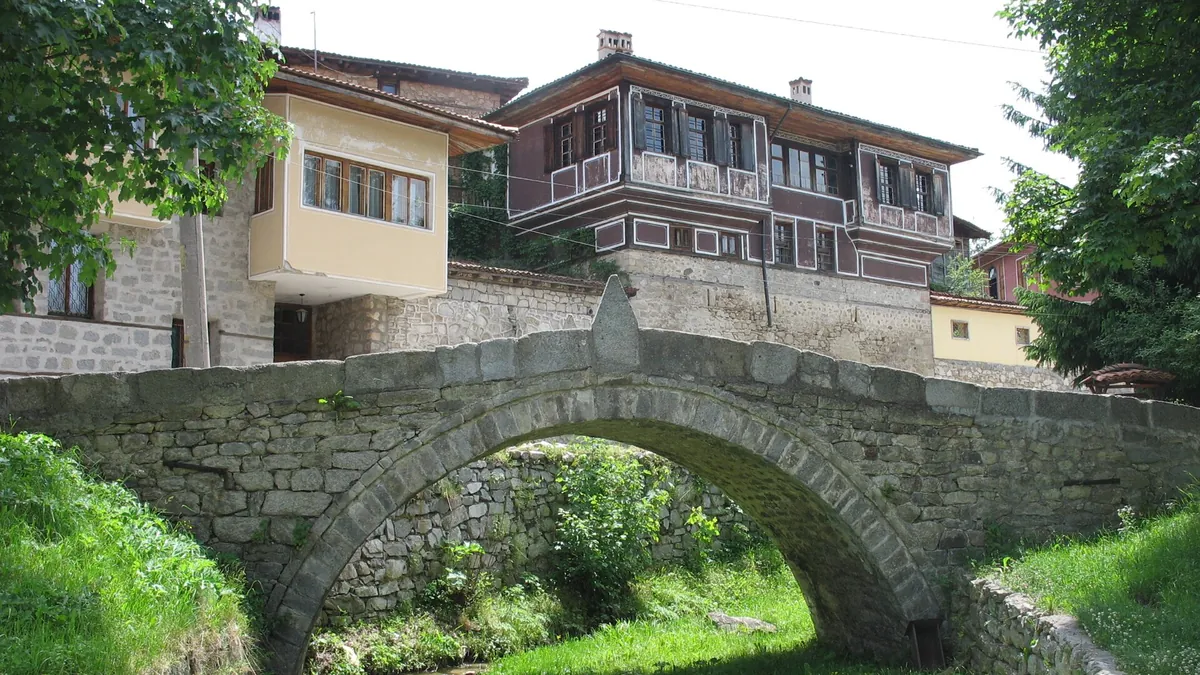
Archive image · Photo: Esther Westerveld from Haarlemmermeer, Nederland / Wikimedia Commons, CC BY 2.0 (cropped and resized)
On 20 April 1876 (Old Style; 2 May New Style) the April Uprising broke out in Koprivshtitsa – prematurely, because Ottoman police tried to arrest the local committee leader Todor Kableshkov. The revolt had been organised by a revolutionary committee in Giurgiu, Romania; the territory was divided into revolutionary districts, with centres including Tarnovo, Sliven, Vratsa and Panagyurishte.
The Ottoman authorities crushed the uprising by the end of May. Leaders such as Georgi Benkovski, Panayot Volov and Ilarion Dragostinov were killed, as was the poet Hristo Botev, whose band of émigrés crossing from Romania was routed. According to Britannica, irregular forces massacred about 15,000 people near Plovdiv; in Batak, MacGahan and Schuyler estimated some 5,000 dead. The overall death toll is disputed, with estimates ranging from under 4,000 to over 30,000.
Reports by American correspondent Januarius MacGahan and diplomat Eugene Schuyler made the atrocities known in Western Europe. British statesman William Gladstone published his pamphlet "Bulgarian Horrors and the Question of the East" on 6 September 1876. The Constantinople Conference and the Russo-Turkish War of 1877–78 followed, leading to Bulgaria's liberation. In Bulgaria the uprising remains a central event of national history.