
Study: More internet and mobile use goes with higher CO2 emissions in the G20
An analysis of G20 data from 1990 to 2023 finds a statistical link between digitalization and CO2 emissions, almost entirely as a direct effect.
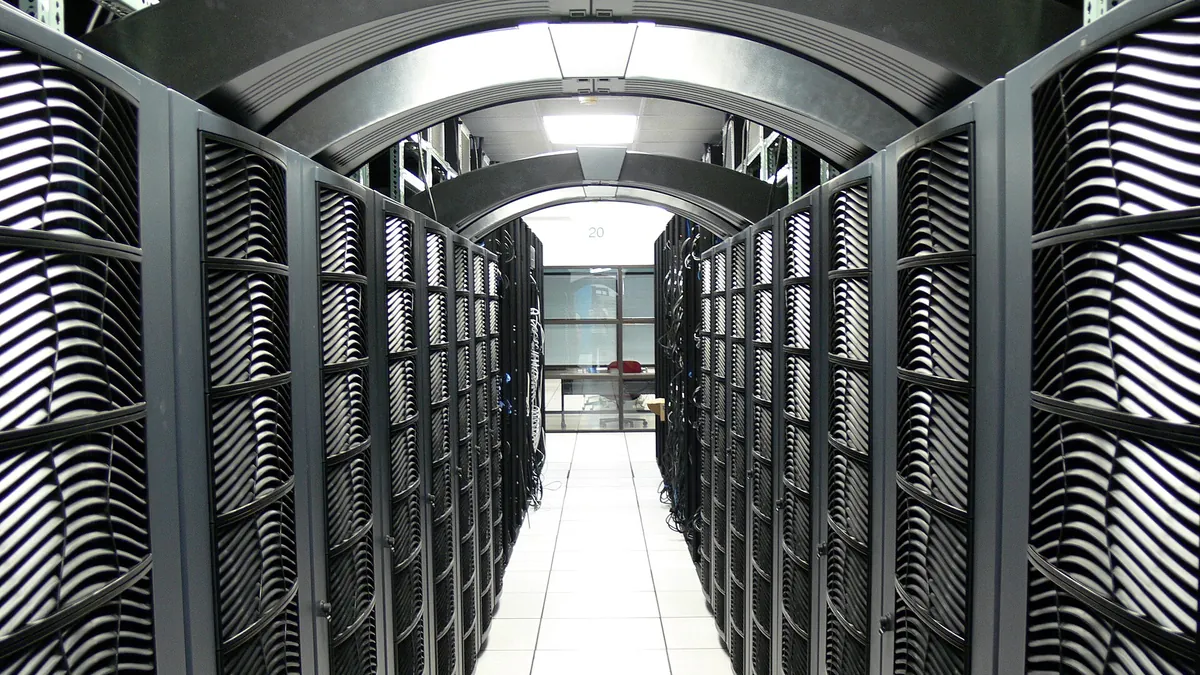
Symbolic image · Photo: Christopher Bowns / Wikimedia Commons, CC BY-SA 2.0 (cropped and resized)
The spread of internet and mobile communications in G20 countries is associated with higher carbon dioxide emissions, according to a study published in the journal Sustainability by researchers from North Carolina State University (NC State), Eastern Illinois University and King Faisal University in Saudi Arabia. NC State presented the work on Oct. 22. The team analyzed panel data for G20 economies from 1990 to 2023, controlling for economic output and population growth.
All three measures used – internet use, fixed-line and mobile subscriptions – were significantly and positively linked to CO2 emissions, the authors said. About 96% to 98% of the relationship was direct, with only a small share running through trade and industry. The researchers say this is consistent with the energy demand of digital infrastructure and the carbon intensity of the electricity that powers it – a mechanism the study does not directly demonstrate.
"Our study shows that digitalization is not inherently green," co-author Ahmed Abou-Zaid said. The release gives no confidence intervals. The study is a statistical analysis of country-level data: it shows an association, not a directly measured cause-and-effect relationship.