
'Porous anchor' firmly bonds materials that are hard to join
Japanese researchers create a porous interlayer simply by coating and drying. It roughly doubles bond strength and could help lighter vehicles and flexible electronics.
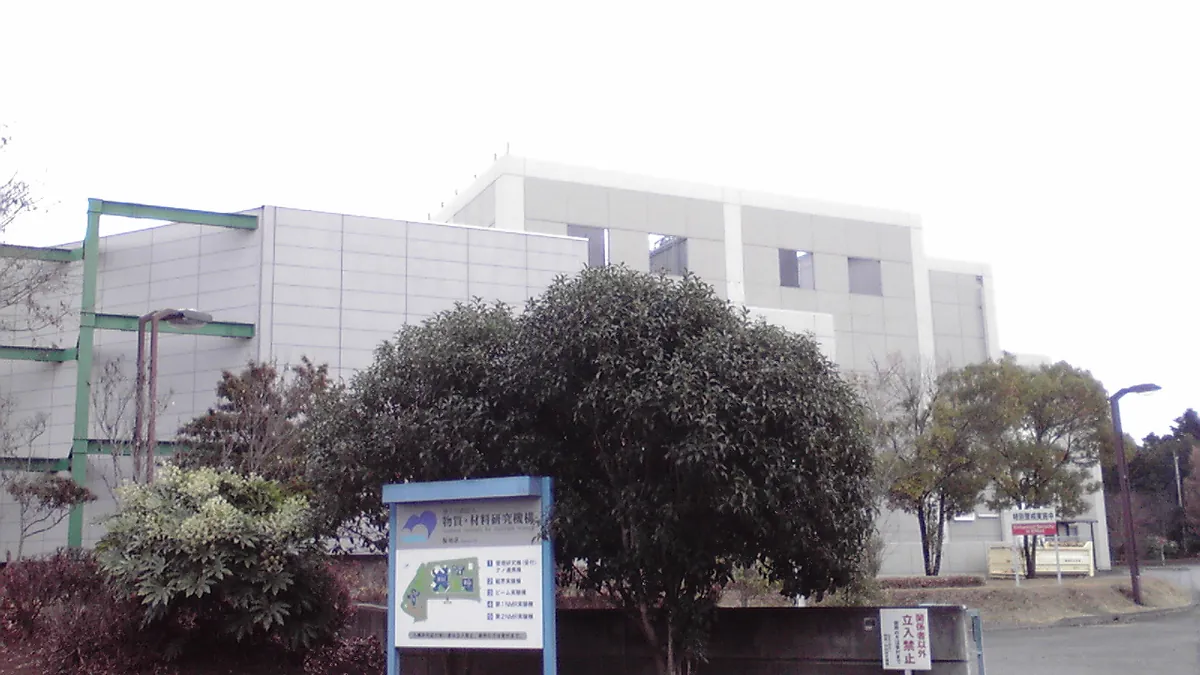
Photo: Miyuki Meinaka / Wikimedia Commons, Public domain (cropped and resized)
Japan's National Institute for Materials Science (NIMS) has presented a method for firmly joining materials that are normally hard to bond. Researcher Shunto Arai developed a mesh-like porous "anchor" layer that forms simply by coating a solution and letting it dry. Its pores range from nanometers to micrometers.
One side of the layer bonds chemically to the first material, while the other interlocks physically with a polymer that fills the pores. This achieves bonding strengths above 7 megapascals and roughly doubles tensile strength. The method avoids designing a separate adhesive for each material pair or roughening surfaces.
The institute cites lighter vehicles, flexible and wearable electronics, and soft robotics as applications. The team is now working on conductive and heat-resistant versions. The results were published in the journal Small.