
Expropriation brake: Berlin SPD MP sees Dobrindt on a "ghost flight"
Berlin SPD Bundestag members Hakan Demir and Ruppert Stüwe doubt Dobrindt's investment protection law. A real estate lawyer, however, gives the plan good chances.
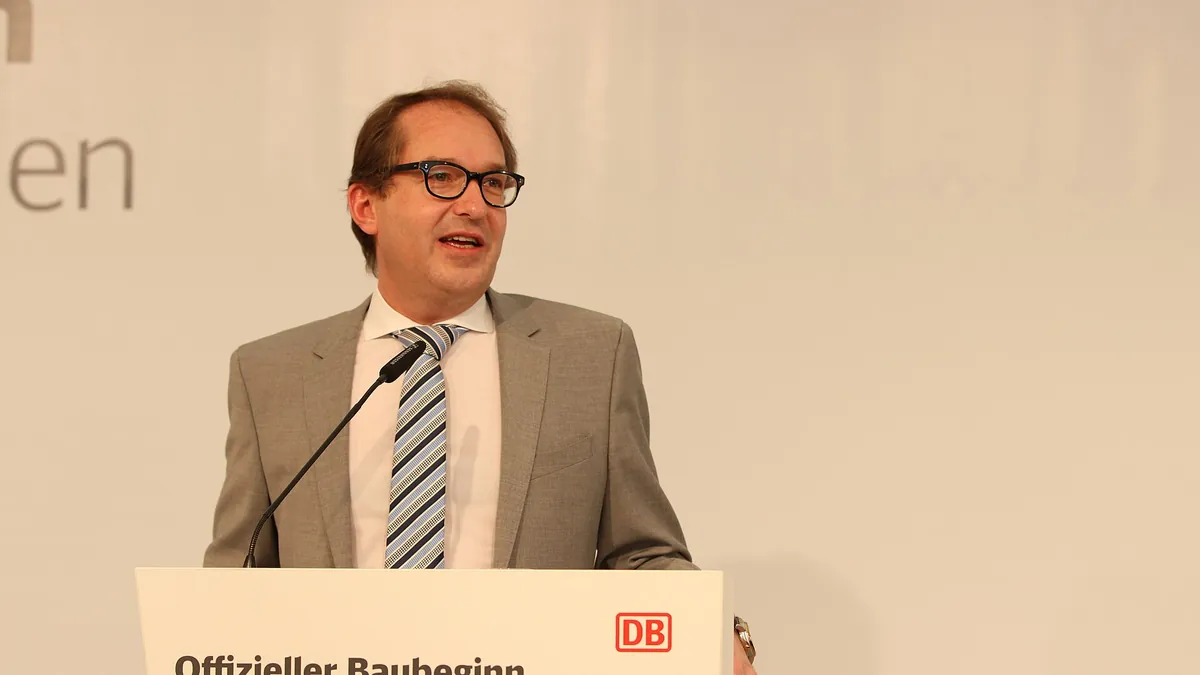
Archive image · Photo: H-stt / Wikimedia Commons, CC BY-SA 4.0 (cropped and resized)
The investment protection law planned by Interior Minister Alexander Dobrindt (CSU) continues to meet resistance within the coalition. Neukölln SPD Bundestag member Hakan Demir, deputy home affairs spokesman of his group, told Die Welt the law was on a "ghost flight into the legal Bermuda Triangle". Dobrindt was acting as if the federal government had exclusive legislative competence over socialisation, he said. Demir expects the Constitutional Court would stop the law.
SPD MP Ruppert Stüwe from Steglitz-Zehlendorf also considers a federal law unnecessary, since the Basic Law expressly provides for socialisation; he will decide how to vote once there is a concrete draft. The key points provide for compensation at full market value, paid directly in money, and proof of a "compelling necessity". Berlin's Left, SPD and Greens want to socialise around 160,000 flats owned by large companies.
Dobrindt is backed by real estate lawyer Carsten Loll of Latham & Watkins. Speaking to Handelsblatt, he gave the law good chances despite considerable legal difficulties; it would have to be examined, for instance, whether socialisation is proportionate and whether milder means exist. Article 15 of the Basic Law would remain applicable. As Berlin's socialisation law is not due to take effect until 2029, the legal dispute could, however, take years. Article 15 has never been applied.