
The colours that will define fashion this autumn
Alongside the classics brown, burgundy and olive green, fashion this autumn also bets on electric blue, royal purple and butter yellow. Is there a difference between men's and women's palettes?
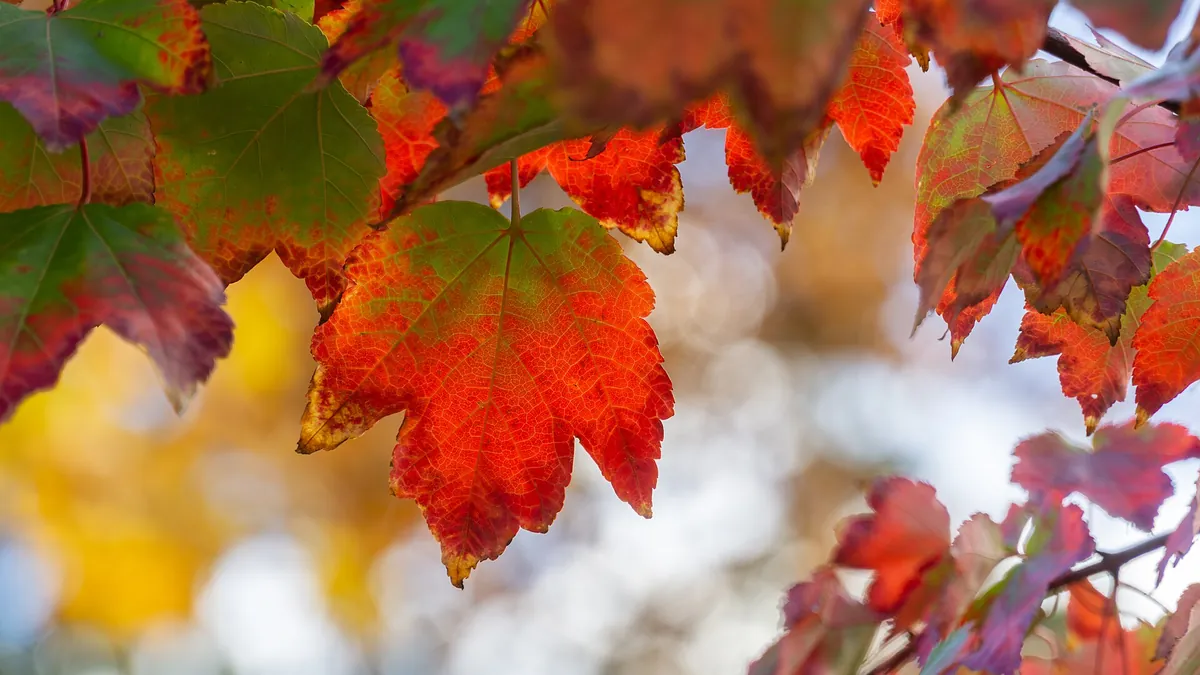
Symbolic image · Photo: Sumitsurai / Wikimedia Commons, CC BY-SA 4.0 (cropped and resized)
We traditionally associate autumn with warm earth tones – brown, beige, burgundy, olive green and terracotta. But this autumn, fashion is taking a step in a different direction. The classic autumn shades remain current, but they are being joined by much bolder and more saturated colours.
The autumn/winter collections show a clear desire for more colour and individuality. Instead of reducing everything to black, grey and brown, designers are experimenting with electric blue, bright red, royal purple, butter yellow and even turquoise.
Brown remains one of the safest trends
Chocolate brown continues to be among the leading colours of the season. It fits naturally into the autumn palette and is easy to combine with cream, beige, caramel, burgundy and olive green.
In womenswear, brown is used for coats and suits as well as for dresses, knitwear and accessories. In menswear it is even more present and is becoming one of the main alternatives to traditional black. An analysis of the autumn/winter runways places chocolate brown among the most frequent colours in both women's and men's clothing.
Burgundy – the autumn classic
Burgundy, wine red and dark red are once again among the colours most strongly associated with autumn fashion.
They can be the main colour of an outfit or be used as an accent – for example on a bag, shoes, a scarf or a sweater. Their advantage is that they are saturated enough to give a look character, yet remain easy to combine.
Olive green and other natural shades
Olive and moss green also hold their ground. They go particularly well with brown, beige, cream and navy.
These colours are especially typical of menswear, where they are used for jackets, coats, trousers and knitwear. Olive green also fits the trend towards more practical clothing inspired by nature and the outdoor style.
Electric blue – the surprise of the season
One of the most interesting trends this autumn is a bright, electric blue.
It is a colour we do not traditionally associate with autumn. Even so, it appears again and again in the autumn/winter collections. Blue is used not only as a small accent but for entire looks – coats, suits, dresses and co-ords.
This gives the traditional autumn palette a cooler, modern contrast.
Purple is back
Royal purple and the deeper aubergine shades are also among the colours of the season.
Purple is particularly interesting because it can be elegant and bold at the same time. Its darker variants fit perfectly into an autumn wardrobe, while the brighter ones can be used as an accent.
Butter yellow – a light colour for the cold months
Butter yellow is another surprising trend. Having been popular in the warmer seasons, it continues into autumn.
This soft shade is easier to wear than bright yellow and can be combined with brown, grey, cream and navy.
Is there a difference between men's and women's colours?
Yes, but the line is gradually blurring.
In menswear this autumn, black, chocolate brown, anthracite, steel grey, navy, olive green, beige and cream dominate. Data from the analysis of the men's collections shows a particularly strong presence of black and brown, followed by white, anthracite and steel shades.
In womenswear, the basic colours remain important too, but they are joined by more bright accents – royal purple, electric blue, bright red, butter yellow, peach and turquoise.
However, the difference does not mean that a particular colour belongs to only one gender. Increasingly, the same colours appear in both women's and men's collections. What differs is rather the way they are combined, their intensity and the role the colour plays in the overall look.