
Environmental DNA: 126 fish species found further north off Japan than previously known
OIST researchers analysed seven years of water samples from Japan's coasts. Many species turn up further north than documented – which the scientists see as a sign of warming seas.
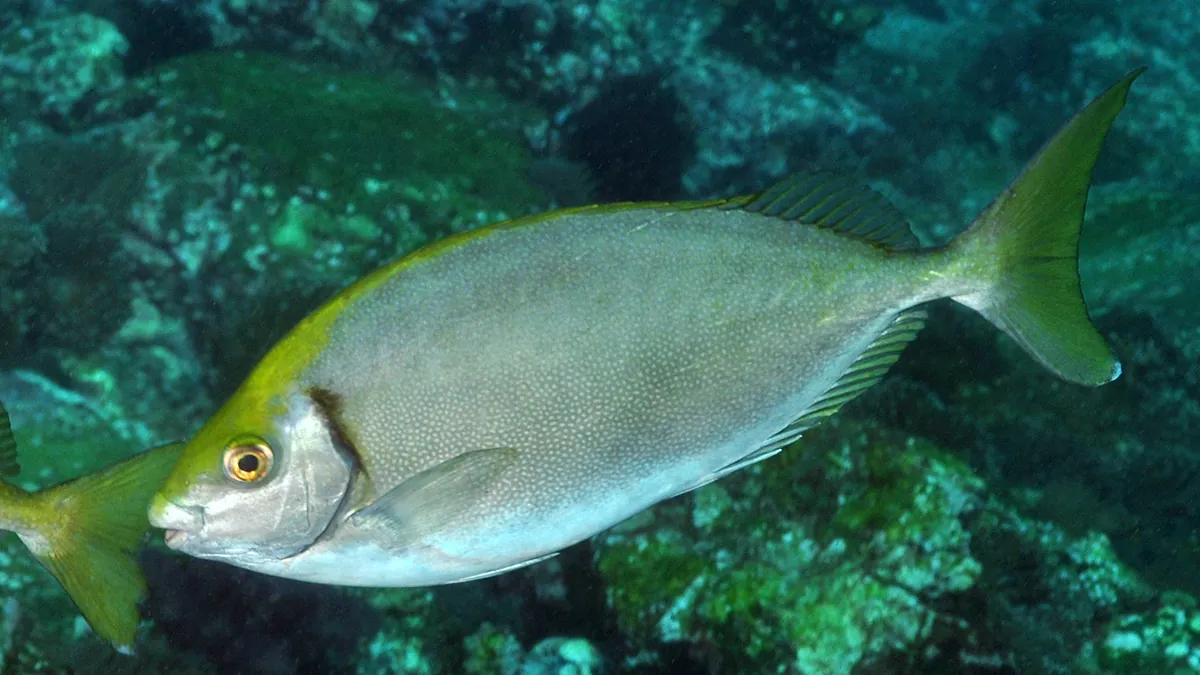
Symbolic image · Photo: Rick Stuart-Smith / Reef Life Survey / Wikimedia Commons, CC BY 3.0 (cropped and resized)
Numerous fish species can be detected further north off Japan's coasts than previously known, a team from the Okinawa Institute of Science and Technology (OIST) reports in the journal Diversity and Distributions. The researchers analysed 2,672 seawater samples from 316 coastal sites collected between 2017 and 2024, including almost 1,000 new ones. Using environmental DNA – genetic traces animals leave in the water – they found 126 species beyond their previously documented northern limit.
They include the Japanese scad, the blacktip grouper and the black rabbitfish, which is suspected of contributing to the loss of seaweed forests. The researchers link the shifts to rising sea temperatures that can push species into cooler waters, and see a risk for fisheries and coastal economies. "Fishermen across Japan are already finding differences in the types of fish they reel in compared to a few decades ago," said senior author Timothy Ravasi.
The study is a measurement-based survey, not an analysis of causes. A DNA detection does not prove that a population actually lives at that site; the species "may be living" there, the release says. Accuracy also depends on reference databases that are still growing, and samples can be contaminated, so the authors see the method as a supplement to conventional surveys. Next, they want to model why the DNA appears in particular places.