
World Bank: oil supply shrinks at fastest pace in over 40 years
Because of the war in the Middle East, global oil output will fall 5.2% in 2026. The World Bank expects Brent to average $91 – and as much as $105 in 2027 in a crisis scenario.
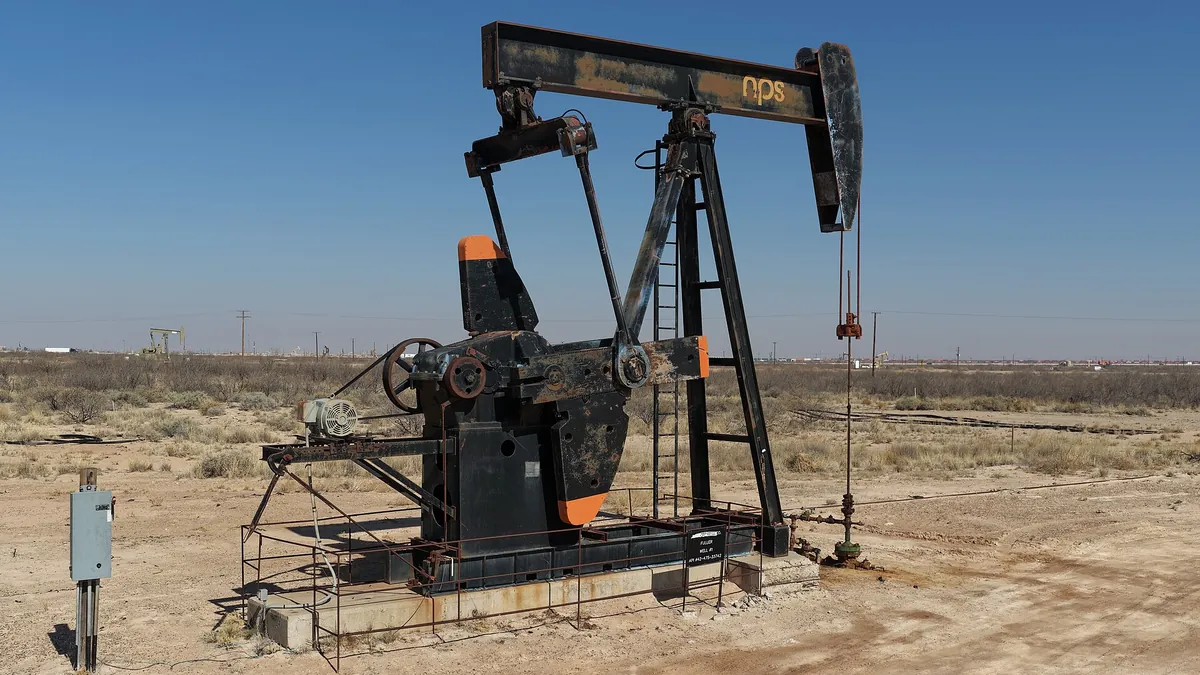
Symbolic image · Photo: Quintin Soloviev / Wikimedia Commons, CC BY 4.0 (cropped and resized)
Global oil supply is suffering its steepest decline in more than four decades this year, excluding the pandemic year 2020. According to the World Bank's commodities report published on Wednesday, global oil supply will fall 5.2% in 2026, due to supply disruptions in the Middle East. Oil consumption is set to decline 2.5% – the third-largest drop on record.
Energy prices overall will rise 32% in 2026, according to the World Bank, ending three years of declines. For Brent crude, the economists expect an average price of $91 a barrel this year, up from $69 in 2025. Next year the price is forecast to ease to an average of $79. This baseline, however, assumes no further escalation of the conflicts affecting commodity supplies.
The World Bank sees the risks mainly to the upside: an escalation in the Middle East or lasting damage to Russia's oil infrastructure could push prices higher. In an adverse scenario with several simultaneous shocks, Brent would average $105 a barrel in 2027. Higher energy costs and trade disruptions are driving up prices across a broad range of commodities, said World Bank Deputy Chief Economist Ayhan Kose.