
World Bank: commodities 23% dearer in 2026 – food prices keep rising
Energy, metals and farm products are rising at the same time. Food prices are set to climb around 18% in total by the end of 2027 – in the worst case, a new food crisis looms.
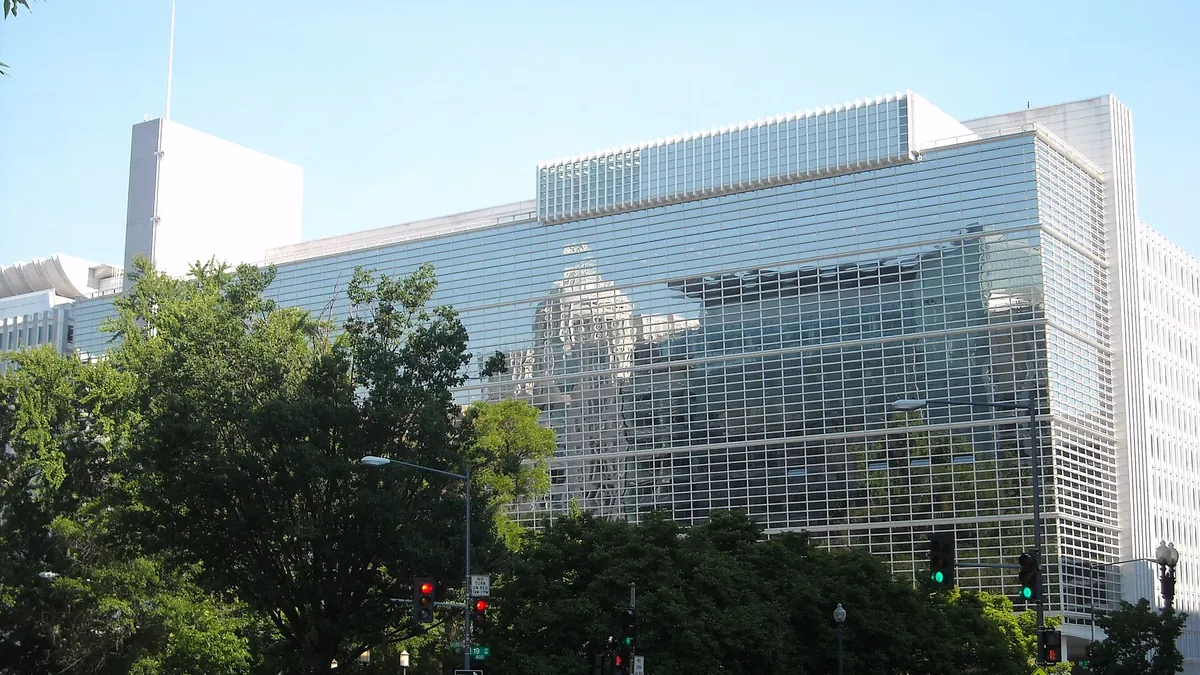
Photo: AgnosticPreachersKid / Wikimedia Commons, CC BY-SA 3.0 (cropped and resized)
The World Bank expects commodity prices to rise 23% in 2026 after three years of declines, before easing 7% in 2027. That is according to its Commodity Markets Outlook, published on Wednesday. The main driver is energy prices, which are forecast to rise 32%. "Commodity markets are being hit by several major shocks at once," said Ayhan Kose, the World Bank's Deputy Chief Economist.
Consumers will feel it most at the checkout: food commodity prices are forecast to rise about 10% in 2026 and a further 7% in 2027 – around 18% in total. Fertilizer prices rise 14% in 2026. Metals climb 25%, with aluminium, copper and tin hitting record highs. Precious metals rise as much as 40%. Higher energy costs and trade disruptions are driving up prices across a broad range of commodities, Kose said.
In an adverse scenario – persistently high energy prices, disruptions to Black Sea grain shipments and a very strong El Niño – food prices would be 12% above the baseline and above their 2022 level. According to the World Bank, this could trigger a food crisis. The priority must be to protect the poorest, Kose said. The World Bank Group is making $50 billion to $60 billion available through existing instruments.