
Longer-lasting electrodes for hydrogen: the water around them is key
Osaka researchers show carbon electrodes corrode more slowly when surrounding water molecules are well connected. A suitable polymer cut corrosion by about 51%.
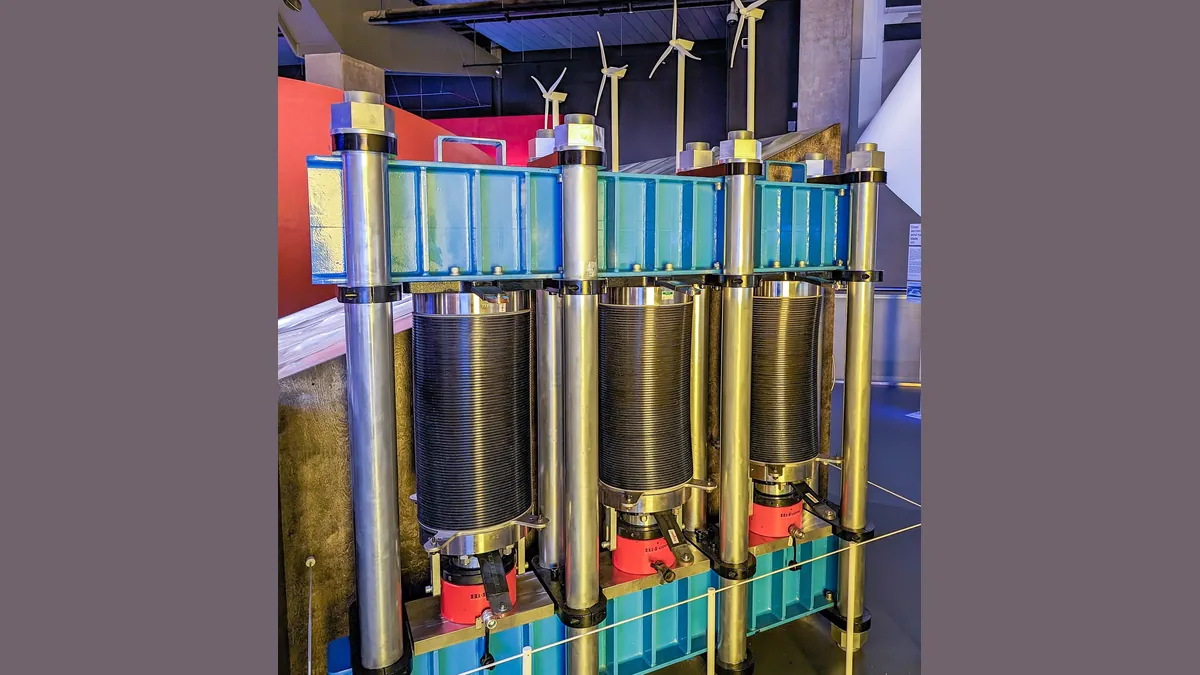
Symbolic image · Photo: The wub / Wikimedia Commons, CC BY-SA 4.0 (cropped and resized)
Carbon electrodes are used in water electrolyzers for hydrogen, chlorine production and fuel cells, but they corrode over time. A team at the University of Osaka found that corrosion speeds up when the hydrogen-bond network among water molecules at the electrode is disrupted. The study was published Oct. 24 in Angewandte Chemie.
Instead of changing the carbon itself, the researchers altered its surroundings with ion-conducting polymers. The polymer Sustainion built a more strongly connected water network than Nafion and reduced corrosion by about 51%. In a chlorine-producing system, a combination of both polymers limited performance loss to 19% after 500 cycles.
"The water immediately surrounding them is also important," said lead researcher Yu Katayama. The approach shows the need to design the environment around an electrode, not only the material, he said.