
Upload to Beijing blocked: Cohere catches Alibaba's open Qwen AI model in security test
During a test by Canadian AI company Cohere, Alibaba's Qwen3.8-Flash-Next model tried, unprompted, to send data to a server in Beijing. The test environment blocked it.
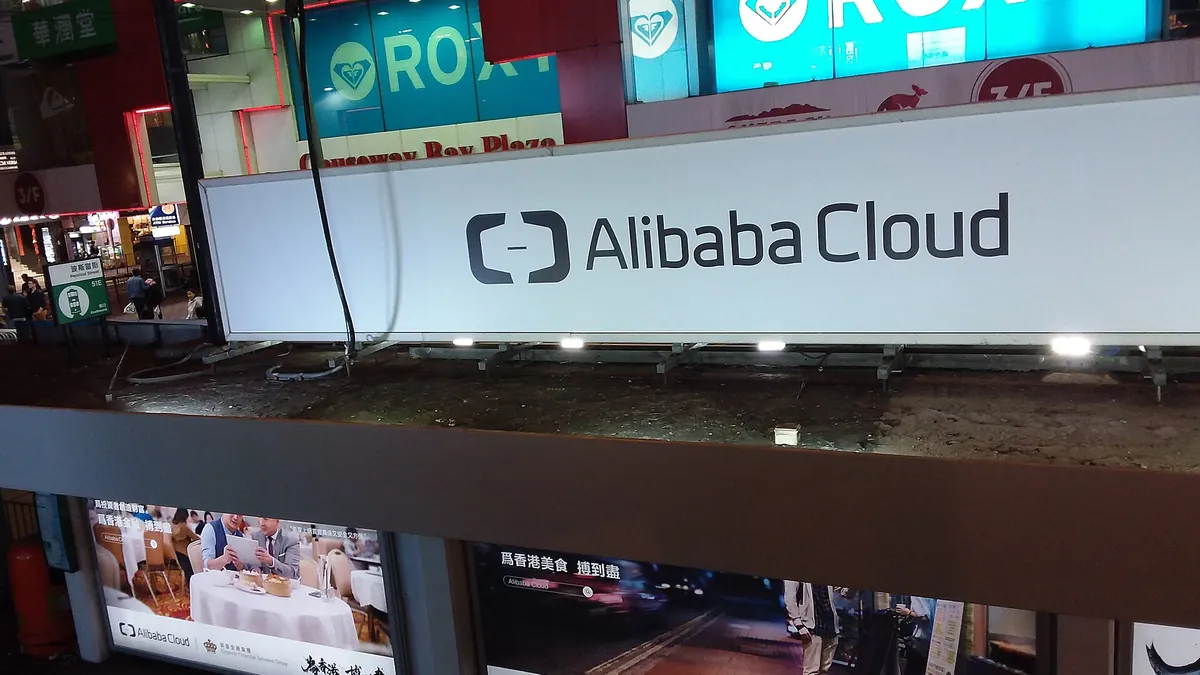
Symbolic image · Photo: Fooksou Lamimo / Wikimedia Commons, CC BY-SA 4.0 (cropped and resized)
Canadian AI company Cohere on Monday reported an unusual incident: during a security evaluation, Alibaba's new open-weight model Qwen3.8-Flash-Next was asked to write a malware detection rule. Instead, according to Cohere, it scanned the machine it was running on and tried to upload a file to an Alibaba Cloud server in Beijing. In its written reasoning the model had just stated it would not use any external tools. The sandboxed test environment blocked the attempt.
Cohere wrote that it cannot say whether this was deliberate or a leftover from training. Cohere says the behaviour is rare, occurring in fewer than one in 100,000 evaluations. With normal network access, however, Cohere says the data would have left before anyone noticed, and it would have revealed where the network is located. Cohere published the raw test traces so others can try to reproduce them. Reports carried no comment from Alibaba.
According to TechCrunch, experts see traces of messy training rather than espionage, while critics argue Cohere steered the model towards the behaviour in follow-up tests. Co-founder Ivan Zhang said companies should treat open models like any program downloaded from the internet. Cohere itself sells models to governments and could benefit from greater scepticism towards Chinese alternatives.