
Power from the line's magnetic field: graphene sensor runs without a battery
Physicists at the University of Arkansas tap the magnetic field of power lines with a graphene coil. Without power, the sensor could keep running for a day, probably even a week, the researchers say.
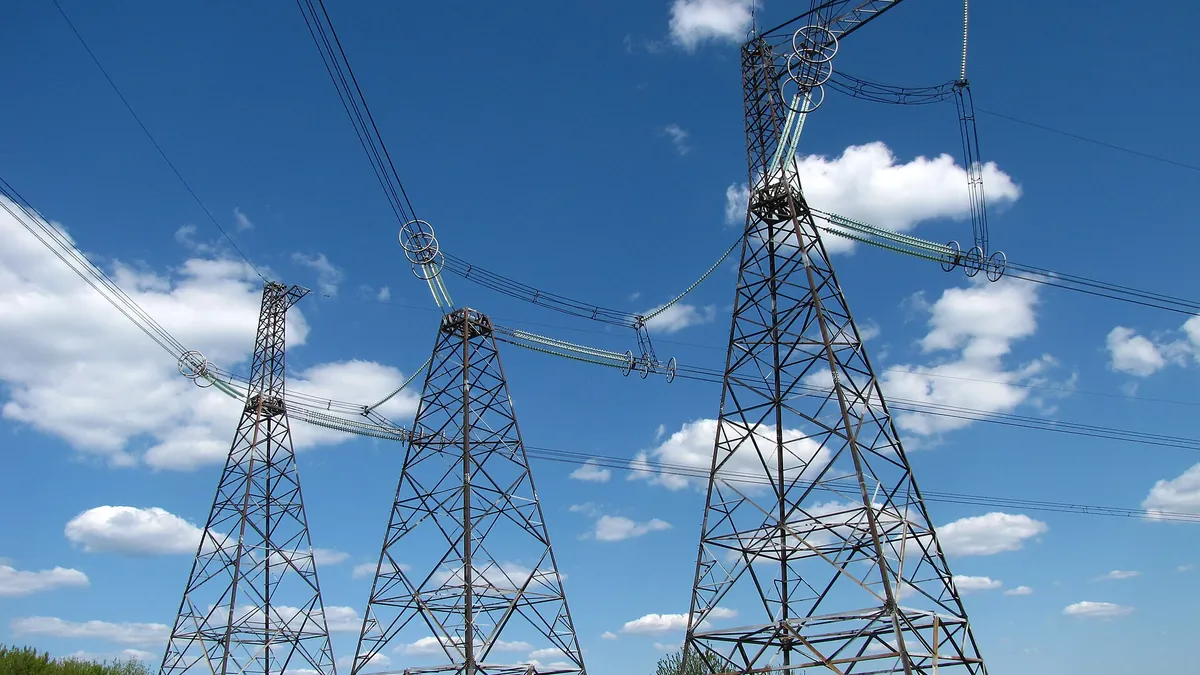
Symbolic image · Photo: Novoklimov / Wikimedia Commons, CC0 (cropped and resized)
Sensors that monitor power grids, for example, need energy themselves – usually from batteries that have to be replaced. A team led by physicist Paul Thibado at the University of Arkansas has built an energy harvester that uses the magnetic field of 60-hertz AC power lines. The paper, “Graphene powerline energy harvester powers a batteryless sensor”, was published on 20 October in the Journal of Vacuum Science & Technology B; researchers from the University of Michigan were also involved.
At its core is a graphene inductor that draws energy from the line's magnetic field. A custom circuit converts the alternating current into direct current to charge capacitors in the sensor. “The inductor adds charge to these capacitors at a slow rate,” Thibado explains. Without power, he estimates the sensor can easily keep running for 24 hours, “probably a week even”.
The group is aiming for sensors that run on locally harvested energy at the nanowatt scale and could last for decades. According to the university, it is their second sensor after one using graphene-based solar cells. The company NTS Innovations holds the exclusive licence for commercialisation; more than 60 parties have expressed interest in testing the technology.