
High fuel prices push up EV prices in Germany as discounts shrink
Discounts on electric cars are falling while combustion models get slightly bigger cuts. The average price gap widened to more than 2,900 euros in October, a CAR study found.
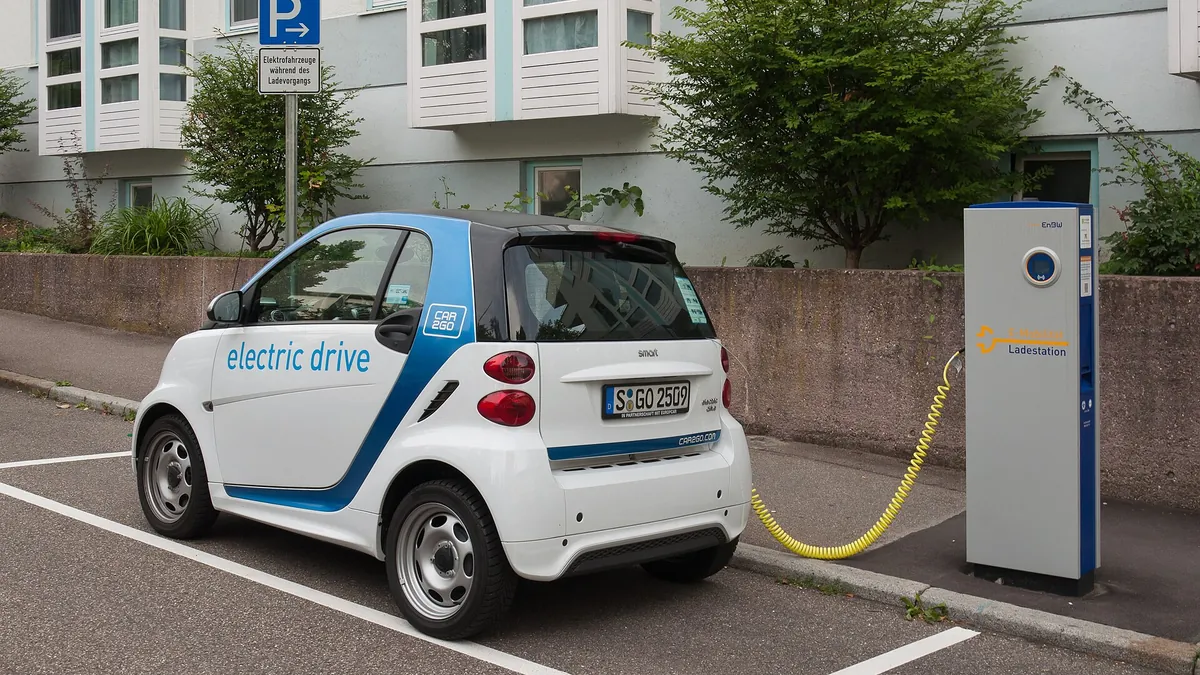
Symbolic image · Photo: Julian Herzog (Website) / Wikimedia Commons, CC BY 4.0 (cropped and resized)
Strong demand is making electric cars more expensive in Germany. Carmakers and dealers trimmed discounts on EVs in October while slightly raising them on combustion and plug-in hybrid models such as the VW Golf, Opel Astra and Fiat 500, according to a market study by the private Center Automotive Research (CAR) in Bochum.
Combustion cars sold on average 19.6% below list price, compared with 16.3% for EVs. Among the 25 best-selling models in each category, the average price gap between electric and combustion cars widened to more than 2,900 euros in October from 1,328 euros in December 2025. The 20 best-selling plug-in hybrids carried an average discount of 20.3%.
"High fuel prices are creating room for somewhat higher prices for electric cars," said study leader Ferdinand Dudenhöffer. EV buyers may also qualify for state subsidies of up to 6,000 euros, depending on their individual financial circumstances.