
Gut bacteria and calories: body absorbs less energy on a high-fiber diet
A study led by Arizona State University found participants on a Western-style diet absorbed about 116 more calories a day than on a diet rich in fiber.
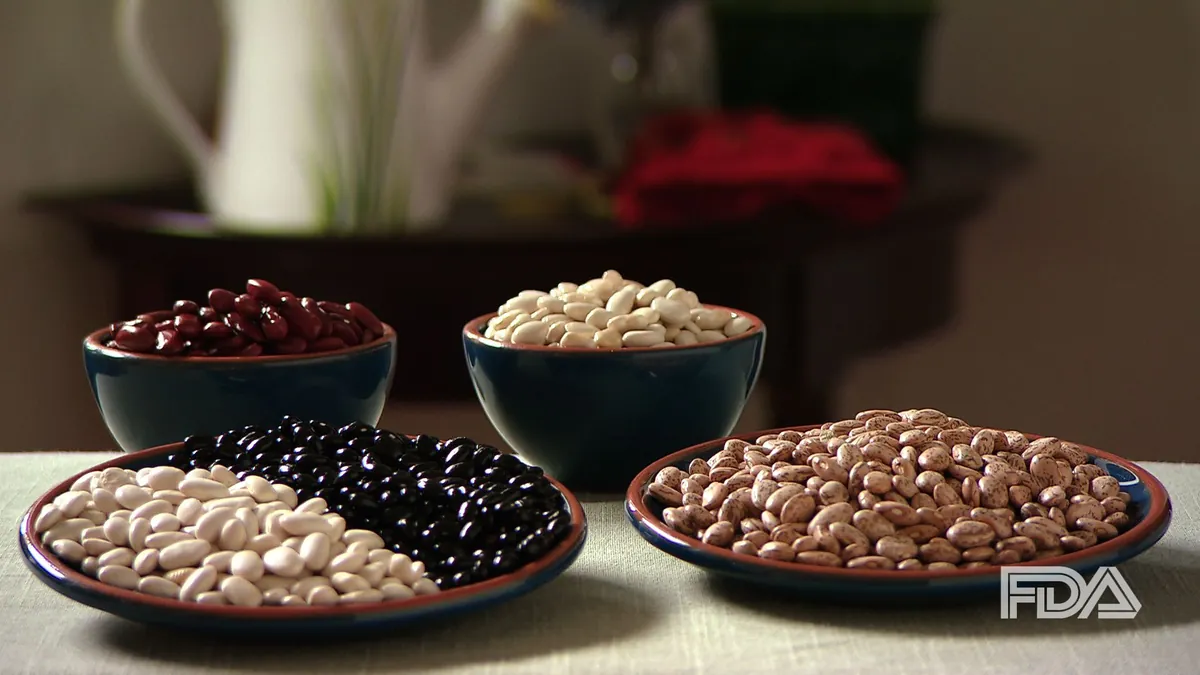
Symbolic image · Photo: The U.S. Food and Drug Administration / Wikimedia Commons, Public domain (cropped and resized)
How much energy the body extracts from food appears to depend partly on gut bacteria. Researchers at Arizona State University and AdventHealth's Translational Research Institute in Orlando developed a mathematical model called DAMM for this purpose. They compared it with measurements from a controlled diet study in healthy adults. The findings were published in the journal PLOS One, and ScienceDaily reported on them on Oct. 12.
The study compared two eating plans: one rich in fiber and resistant starch, and a more processed, lower-fiber Western-style diet. On the Western diet, participants absorbed about 116 more calories per day on average. Participants on the high-fiber diet did not report feeling hungrier. Short-chain fatty acids produced by microbes in the colon supplied about 140 calories a day on average, or roughly 7.4 percent of usable food energy, according to the study.
“Digestion is not just a human process,” said co-author Rosa Krajmalnik-Brown. The model estimated calorie absorption more accurately than the conventional Atwater method, which generally underestimated it. The authors stress, however, that DAMM is a research framework rather than a ready-to-use method for personal diet plans. Further studies are needed to test whether the results hold across other populations, eating patterns and microbiome compositions.
This article is for information only and is not legal, tax, financial or medical advice. Figures as of the date stated.