
Hydrogen from diesel: Fraunhofer IMM shows reformer for fuel cells on ships
A reformer from Mainz turns diesel on board into a hydrogen-rich gas for a 25-kilowatt fuel cell – with no separate hydrogen tanks. It will be on show in Hamburg from 20 October.
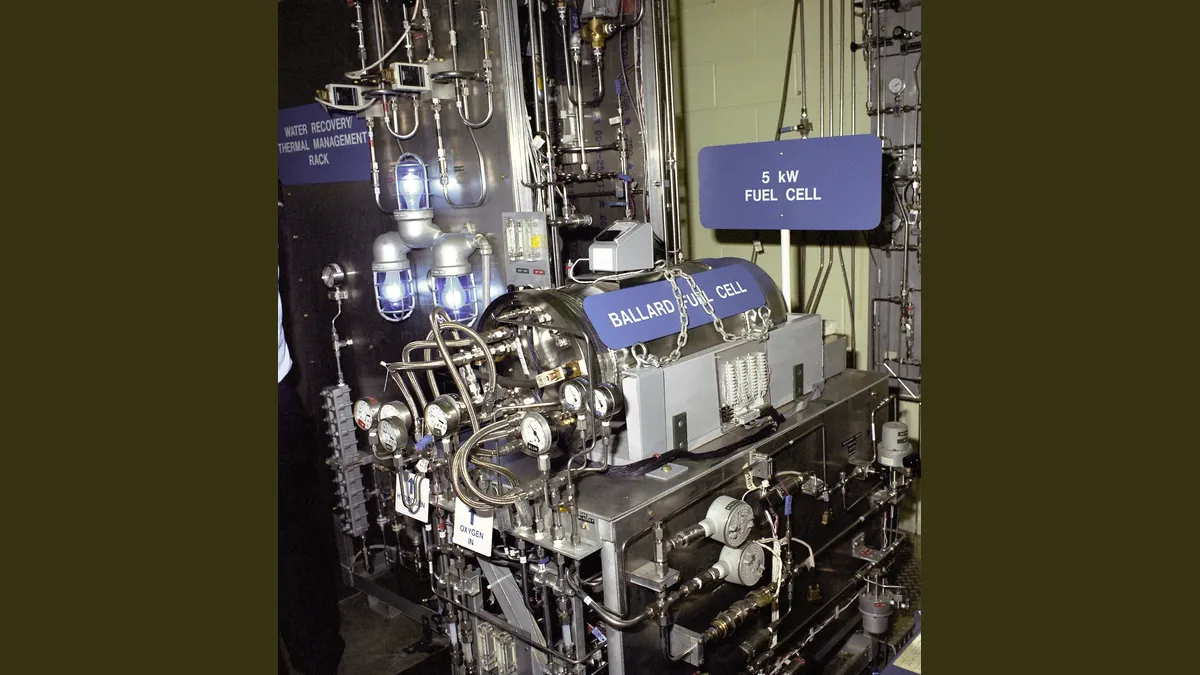
Archive image · Photo: NASA Armstrong Flight Research Center / NASA / Wikimedia Commons, Public domain (cropped and resized)
The Fraunhofer Institute for Microengineering and Microsystems IMM in Mainz has developed a diesel reformer for fuel cells on ships. It converts the fuel carried on board into a hydrogen-containing gas right where it is needed, which after further processing feeds a fuel cell. The complete system is being developed in the DIMARIT project, funded by Germany's Central Innovation Programme for SMEs (ZIM), and has an electrical output of 25 kilowatts – the largest of its kind, according to the institute.
The advantage: hydrogen does not have to be stored separately in tanks, which matters on ships where space is tight. IMM is also investigating whether synthetic diesel fuels can be used. The technology is also of interest for defence: compared with engine-driven diesel generators, it has fewer large moving parts and can reduce noise and heat signatures – for example when powering command and surveillance vehicles or field camps.
The reformer will be presented at the Hydrogen Technology World Expo in Hamburg from 20 to 22 October. The institute will also show a methanol reformer and technologies for producing hydrogen from ammonia and for methanating carbon dioxide.