
Dangerous film: TUM shows how micro-prisms can mislead autonomous vehicles
An inconspicuous film with micro-prisms on a camera or lidar can make self-driving vehicles misplace objects and lanes. Researchers at the Technical University of Munich are working on countermeasures.
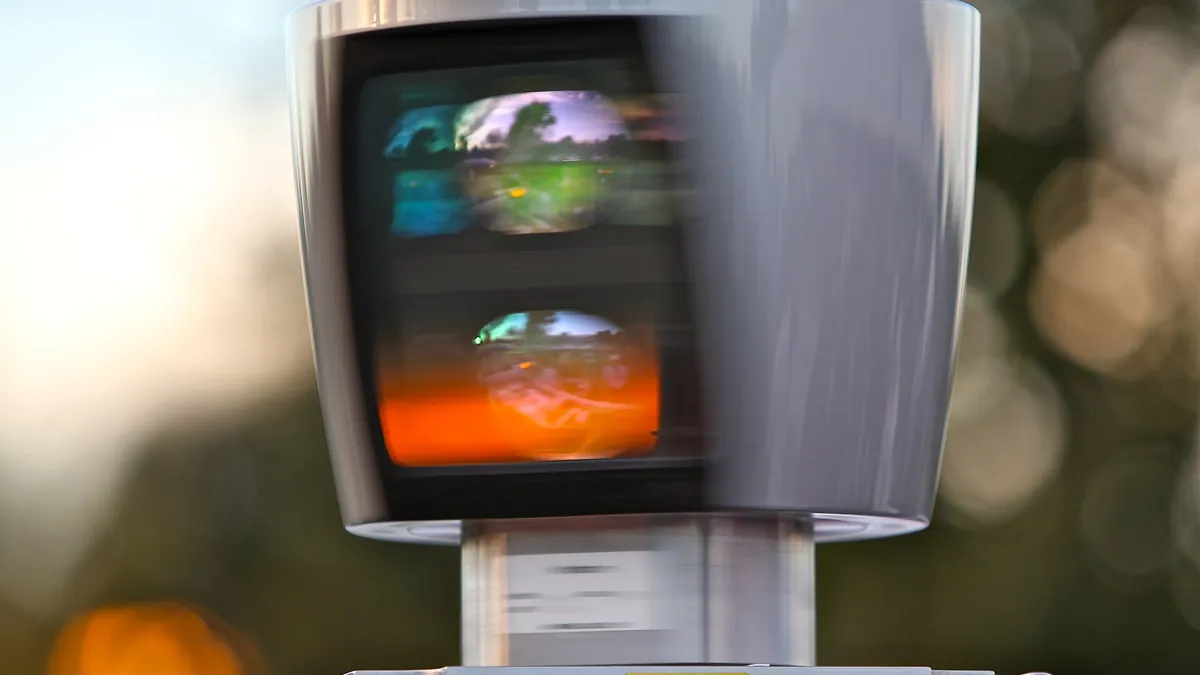
Symbolic image · Photo: Steve Jurvetson / Wikimedia Commons, CC BY 2.0 (cropped and resized)
Researchers at the Technical University of Munich (TUM) are studying how the sensors of autonomous vehicles can be manipulated – and how to protect them. One of the attack methods examined is a polycarbonate film with microscopically small, asymmetrical prism structures that is discreetly placed on a camera or lidar sensor. It deflects light by 20 degrees.
The vehicle still detects objects and lanes, but places them further to the left or right than they actually are. If the displacement exceeds one metre, this can lead to wrong decisions, according to TUM – such as driving into oncoming traffic. Such attacks are first tested in digital twins and then in a controlled environment with TUM's research vehicle EDGAR.
The work on these so-called perspective-shift attacks was presented at the VehicleSec '26 symposium of the computing association USENIX and received a Best Paper Award. The team led by Prof. Sebastian Steinhorst and group leader Mohammad Hamad is developing methods that allow vehicles to detect such manipulation. In the long term, they should recognise risks themselves, stop safely and report that their sensors are compromised – ideally even before setting off.