
Trains without drivers: Washington and Los Angeles weigh fully automated subways
In Washington, the Red Line could run without a human in the cab as early as 2033, while Los Angeles plans an automated line. Unions warn; supporters point to Honolulu.
Archive image · Photo: John Brighenti / Wikimedia Commons, CC BY 2.0 (cropped and resized)
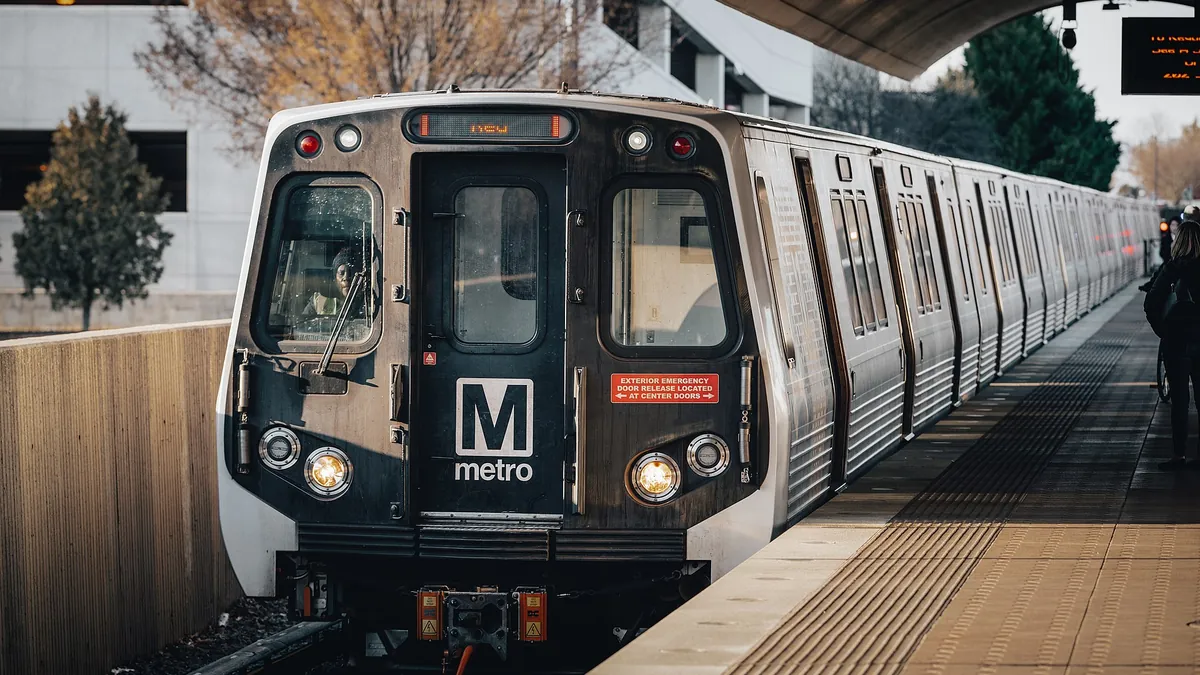
Several US transit systems are considering driverless trains, the Associated Press reports. In Washington, Metro's board of directors backed a plan in April worth nearly $1 billion under which the Red Line could run without a human in the cab as early as 2033. It includes protective barriers that keep passengers off the tracks. In Los Angeles, an environmental review is under way for an automated underground heavy-rail line through the Santa Monica Mountains with shorter, more frequent trains.
Honolulu is seen as a model: its elevated driverless Skyline is the most extensive automated transit system in the US, according to AP, and will be 19 miles (about 31 kilometres) long when complete. There has been no crash or injury tied to automation, says project director Vance Tsuda. In Washington, automated features were switched off after a 2009 crash near the Fort Totten station that killed nine people; the NTSB blamed a maintenance problem in the automated signalling system. They have been gradually restored since 2024.
The Transport Workers Union opposes driverless trains; its international president John Samuelsen calls automation "a catastrophe waiting to happen". Metro CEO Randy Clarke stresses that workers would still be needed for maintenance and emergencies without a driver. Urban planning professor David King of Arizona State University says public trust requires near-perfect performance.