
Study: children eating more ultra-processed food show stronger brain response to food cues
A small U.S. study of 46 children links ultra-processed foods to stronger reward-system responses, which went along with more body fat a year later. It does not establish cause and effect.
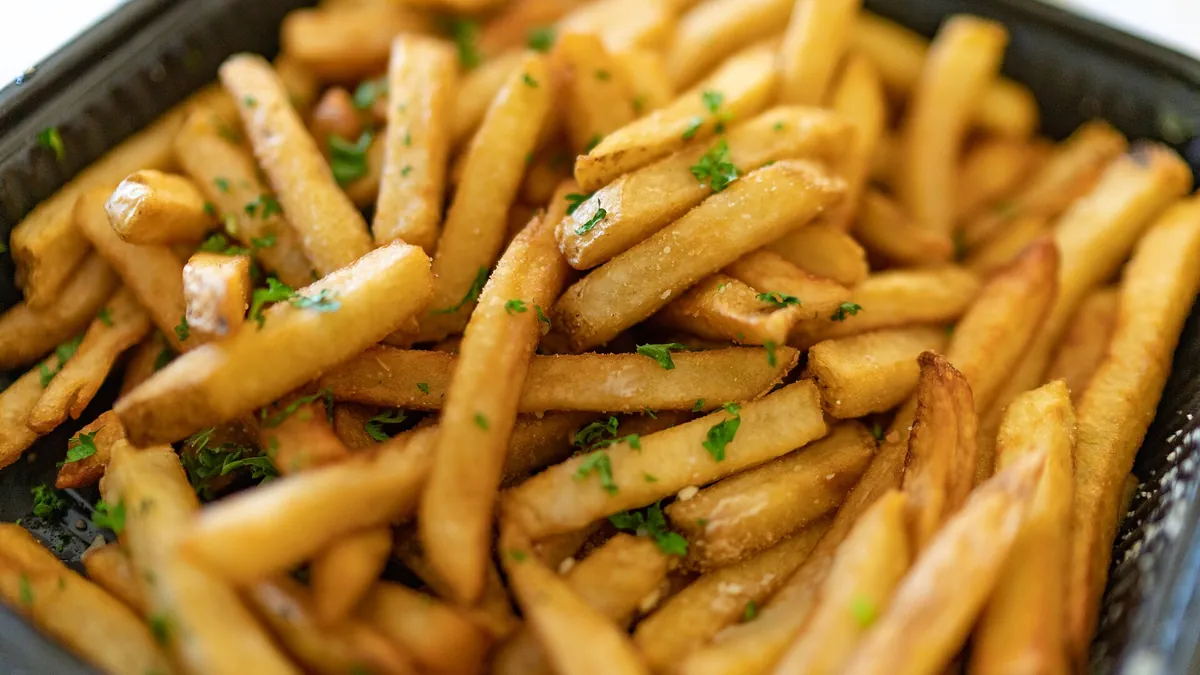
Symbolic image · Photo: Tony Webster from Minneapolis, Minnesota, United States / Wikimedia Commons, CC BY-SA 2.0 (cropped and resized)
Children who eat a lot of ultra-processed food respond more strongly to pictures of appetizing food in brain scans, according to a study from the Keck School of Medicine of the University of Southern California published on Oct. 23, 2026, in JAMA Network Open; International Business Times Australia reported on it on Oct. 24, 2026. The researchers examined 46 healthy-weight children aged 7 to 10 (mean age 8.7) from the long-term BrainChild study. Their diets were recorded through two 24-hour dietary recalls and classified using the NOVA system. On average, 67.7% of their daily calories came from ultra-processed products.
During functional MRI, the children viewed images of foods such as cookies and French fries. Those who ate more ultra-processed food showed stronger activity in the dorsal striatum, a brain region associated with reward and motivation, the study found. A stronger response there was in turn linked to larger increases in BMI and body fat percentage one year later. When the researchers accounted for the brain response, the association between diet and BMI gain weakened by 31% and that with body fat by 44%. "This study goes beyond just understanding that UPFs affect weight gain," senior author Kathleen A. Page said in the press release.
The authors acknowledge clear limitations: the sample is small, the brain was scanned only once, diet was self-reported, and only healthy-weight children were included. As an observational study, it cannot show that ultra-processed foods cause the brain response or weight gain. The direct link to BMI and body fat was not statistically significant, and after adjusting for added sugar the link to the brain response was no longer significant either. According to USC, Page plans an intervention study with more minimally processed foods. Questions about a child's own diet are best discussed with a pediatrician or nutrition professional.
This article is for information only and is not legal, tax, financial or medical advice. Figures as of the date stated.