
Quantum computing made in Germany: QSolid project takes stock – 30-qubit system in testing
26 partners, more than 75 million euros: the Jülich-led QSolid project has opened a 10-qubit system to users and is now testing a 30-qubit machine.
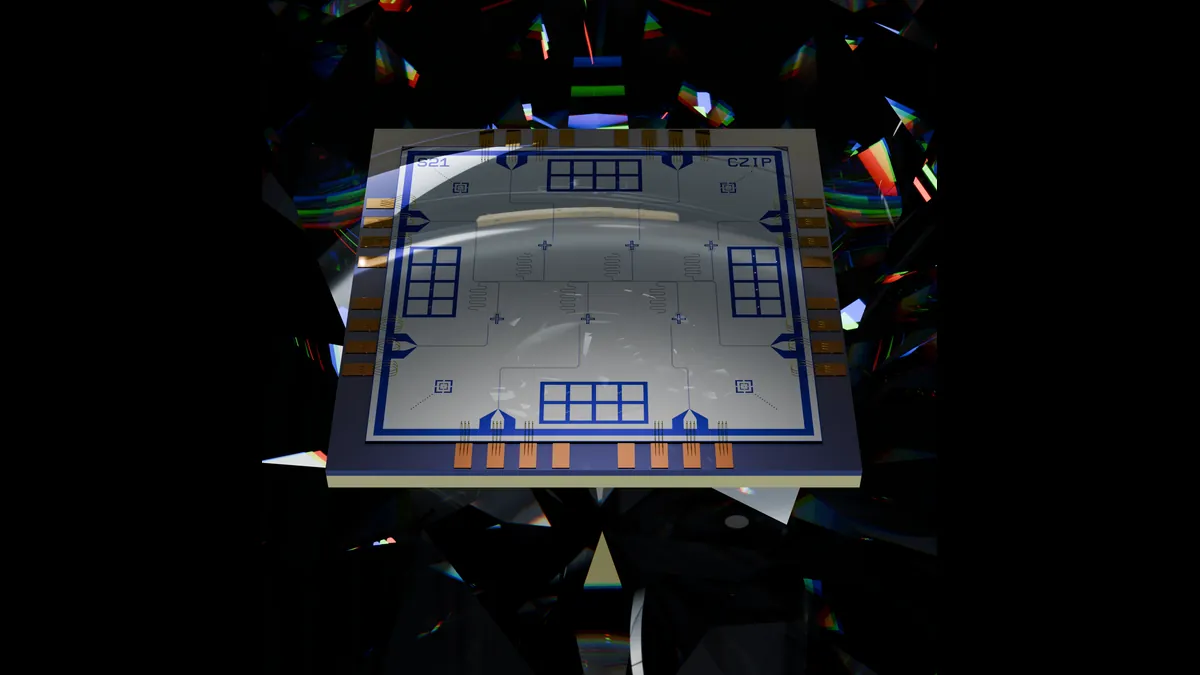
Symbolic image · Photo: OJB Quantum / Wikimedia Commons, CC BY 4.0 (cropped and resized)
The German collaborative project QSolid ("Quantum Computer in the Solid State") is coming to an end after almost five years. Coordinated by Forschungszentrum Jülich, 26 research institutions, companies and start-ups have worked on superconducting quantum processors since January 2022, with a budget of more than 75 million euros. The project is part of the German research ministry's programme "Quantum technologies – from basic research to market".
The goal was a 30-qubit quantum chip with low error rates. According to Jülich, a 10-qubit system has been tested and made accessible to users, and a 30-qubit system is currently being tested with "promising results". "In QSolid, we have made important methodological advances, particularly in gate speed," says coordinator Frank Wilhelm-Mauch. As a demonstration, the partners modelled spin resonance processes of the kind used in chemical analysis and MRI.
First results are reaching industry: HQS Quantum Simulations cites a product for NMR-based materials analysis that is already in use, and Zurich Instruments is applying the experience to its next generation of quantum control systems. Leibniz-IPHT in Jena plans to add its superconducting qubit fabrication processes to the FLUXONICS Foundry's services. The partners will meet in Jülich from 27 to 29 October for the closing event.