
Ebola in Congo: WHO alarmed as many patients die undetected in their communities
More than 9,000 confirmed cases, 4,381 deaths: according to the WHO, about a third of recent new cases were deaths outside clinics – the disease was not detected in time.
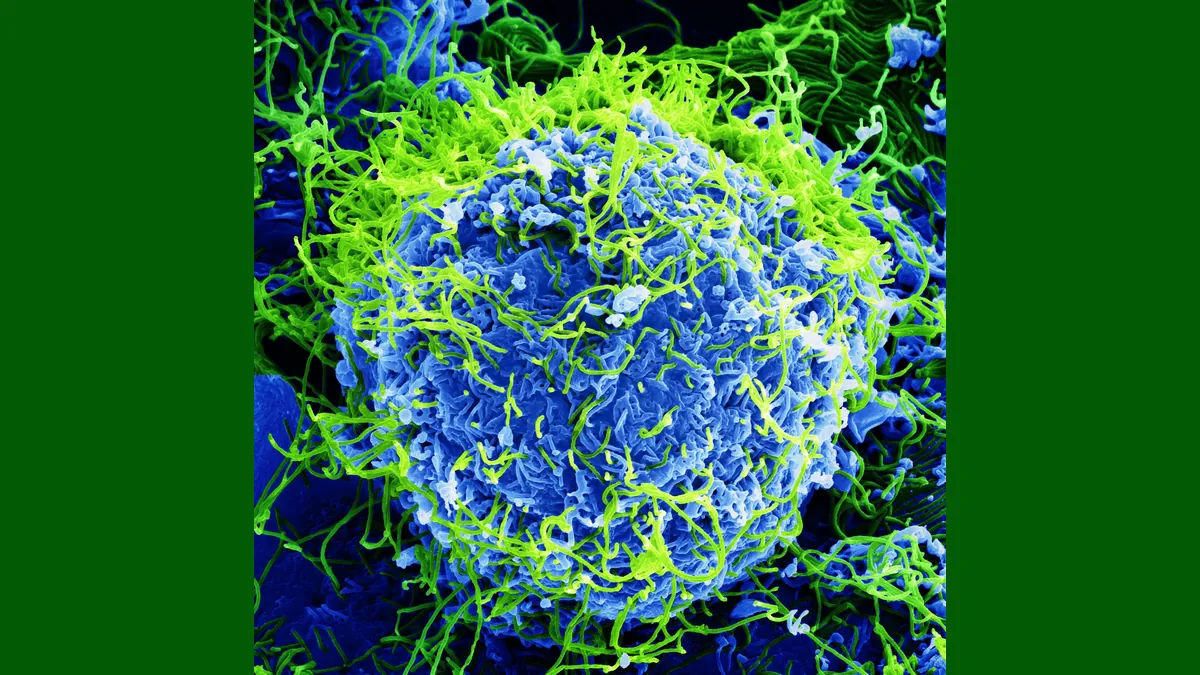
Symbolic image · Photo: BernbaumJG / Wikimedia Commons, CC BY 4.0 (cropped and resized)
The Ebola outbreak in the Democratic Republic of the Congo continues to spread. According to health ministry data released on Tuesday (13 October), there are 9,066 confirmed cases and 4,381 deaths – almost half of those infected. The latest report recorded 88 new confirmed cases. Sixty-five health zones in seven provinces in the north and east are affected, including Ituri as well as North and South Kivu.
The World Health Organization (WHO) is particularly concerned that many people are dying outside treatment centres. According to Catherine Swallwood, who leads the WHO response in the country, about a third of new cases in recent weeks were community deaths. That means patients were not detected while they were still alive. The WHO is therefore shifting its focus to remote and hard-to-reach health zones.
The outbreak is caused by the Bundibugyo virus, with a fatality rate of 48.3 percent. There is no approved vaccine or specific treatment for this strain; clinical trials are under way. In early October, Kenya confirmed a case imported from Congo – the patient died on the day it was confirmed.