
State of the Climate report: 7 of Earth's 16 vital signs hit record extremes
Researchers led by William Ripple of Oregon State University report in BioScience record greenhouse gases, ocean heat and sea level, alongside rapid growth in clean power.
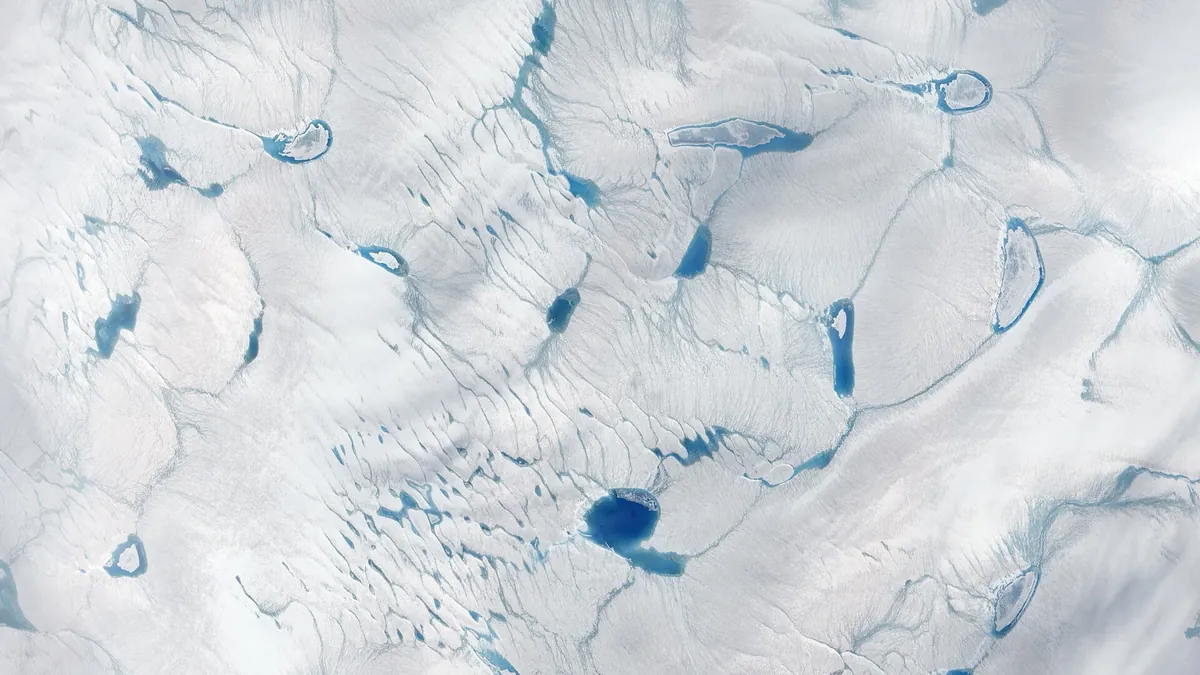
Symbolic image · Photo: NASA Goddard Space Flight Center from Greenbelt, MD, USA / Wikimedia Commons, Public domain (cropped and resized)
Seven of 16 planetary "vital signs" have reached record extremes, according to the 2026 State of the Climate Report, published Oct. 14 in the peer-reviewed journal BioScience (DOI: 10.1093/biosci/biag125). The lead authors are ecologist William Ripple of Oregon State University and Christopher Wolf of Terrestrial Ecosystems Research Associates. Records were set for concentrations of the three main greenhouse gases, carbon dioxide, methane and nitrous oxide, ocean heat content and sea level (record highs), as well as glacier thickness and Greenland ice sheet mass (record lows). Some of the data are preliminary.
Measurements show atmospheric CO2 topped 428 parts per million in May 2026, about 50% above pre-industrial levels. The analysis finds warming accelerated from about 0.19 C per decade in 1970-2010 to about 0.36 C per decade since 2010. If that pace continues, the authors expect the 2 C threshold to be crossed before 2050, a projection rather than a measurement. Fossil fuel consumption rose 0.9% in 2025, and energy-related CO2 emissions exceeded 41 gigatons for the first time. The authors warn of tipping points such as a weakening of the Atlantic Meridional Overturning Circulation.
The report also points to progress. In 2025, renewables generated more electricity than coal for the first time in more than a century, and low-carbon sources supplied about 43% of global power. "We are seeing progress, just not yet at the speed and scale needed," Ripple said. Wolf said the world may be witnessing the emergence of an "Age of Electricity." Nico Wunderling of the Potsdam Institute for Climate Impact Research, who was not involved, called the pace of solutions "particularly encouraging" but said the negative trends "need to be watched closely."