
Matusadona on Lake Kariba: Zimbabwe's wilderness yields a new dinosaur
On the shores of Lake Kariba in Matusadona National Park, researchers have described a 210-million-year-old dinosaur species. A safari camp manager found the fossil sites.
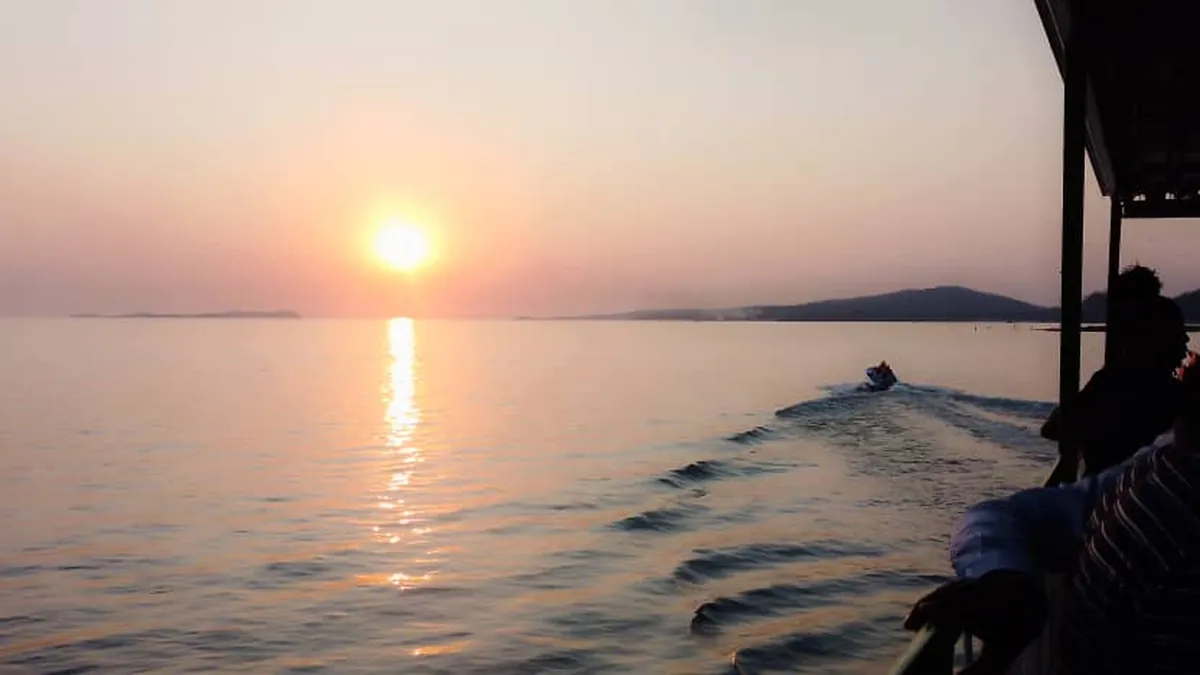
Photo: Musemburid / Wikimedia Commons, CC BY 4.0 (cropped and resized)
Zimbabwe's Matusadona National Park lies along the shoreline of Lake Kariba. It is now also the scene of a paleontological find: researchers have described a new dinosaur species and named it Musango matusadonaensis after the park. The fossils came from the bank of the Nyamasango River near Musango Island, ScienceDaily reported on Oct. 13, citing an article in The Conversation by Paul Barrett of London's Natural History Museum.
The animal lived about 210 million years ago, in the Late Triassic. It belonged to the sauropodomorphs, the group that later produced long-necked giants such as Diplodocus. According to the researchers, it walked on two legs, was about 4.5 meters long and weighed around 220 kilograms. The skull is missing, so its diet is unknown. The finds point to a "surprisingly distinct prehistoric ecosystem" that differed from those in South Africa.
The fossil sites were found by safari camp manager Steve Edwards. During expeditions in 2017 and 2018, the researchers, including a team led by Jonah Choiniere of the University of the Witwatersrand, used a houseboat on the lake as their base. The scientists suspect the region lay closer to the equator at the time and that climate differences may have kept dinosaur populations apart.
This article is for information only and is not legal, tax, financial or medical advice. Figures as of the date stated.