
Glasses as a health sensor: sensors capture blinking, chewing and pulse without a battery
Three flexible sensors in a glasses frame generate their own power from facial movements. In a test, the Northwestern University system recognised six activities with 93.8 percent accuracy.
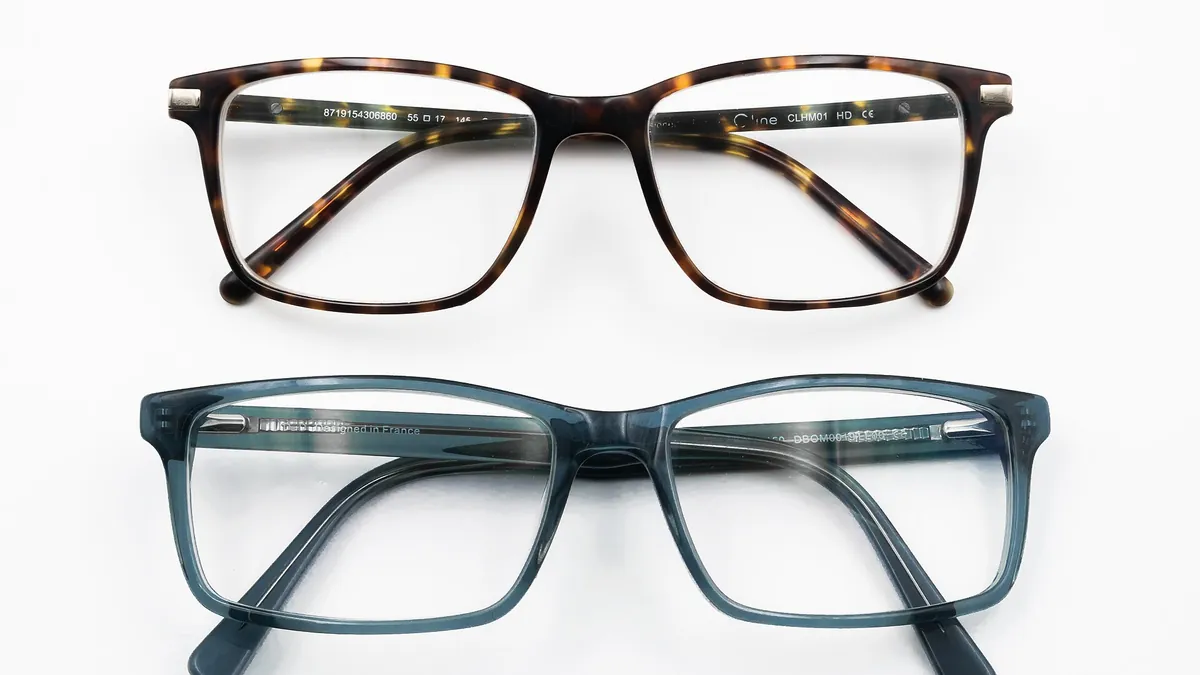
Symbolic image · Photo: Jacek Halicki / Wikimedia Commons, CC BY-SA 4.0 (cropped and resized)
Researchers at Northwestern University (USA) have turned everyday glasses into a health sensor. The GlassTENG system uses three flexible triboelectric nanogenerators, which produce a voltage when layers of material touch and separate as the wearer moves – similar to static electricity. A sensor at the nose bridge picks up pulse, blinks and eyebrow movements, one at the temple tracks jaw movement, and one near the ear detects chewing and clenching.
In a study with 20 participants, the system used machine learning to recognise six activities – blinking, raising eyebrows, clenching and tapping the teeth, eating and talking – with an overall accuracy of 93.8 percent. All three sensors together use just 4.1 microwatts. The data currently goes to a smartphone or tablet via Bluetooth; in the long run, the analysis is meant to run on the glasses themselves.
“The human face is a goldmine for health data, making everyday glasses the perfect wearable,” said project lead Nivedita Arora. The work will be presented on 15 October at the UbiComp/ISWC 2026 conference (DOI 10.1145/3830727.3834817).