
German electricity 2027: three levies rise almost 23 per cent – what households pay
Surcharges for grid use, offshore connections and combined heat and power rise sharply at the turn of the year. For an average household, that means roughly 28 to 32 euros more per year.
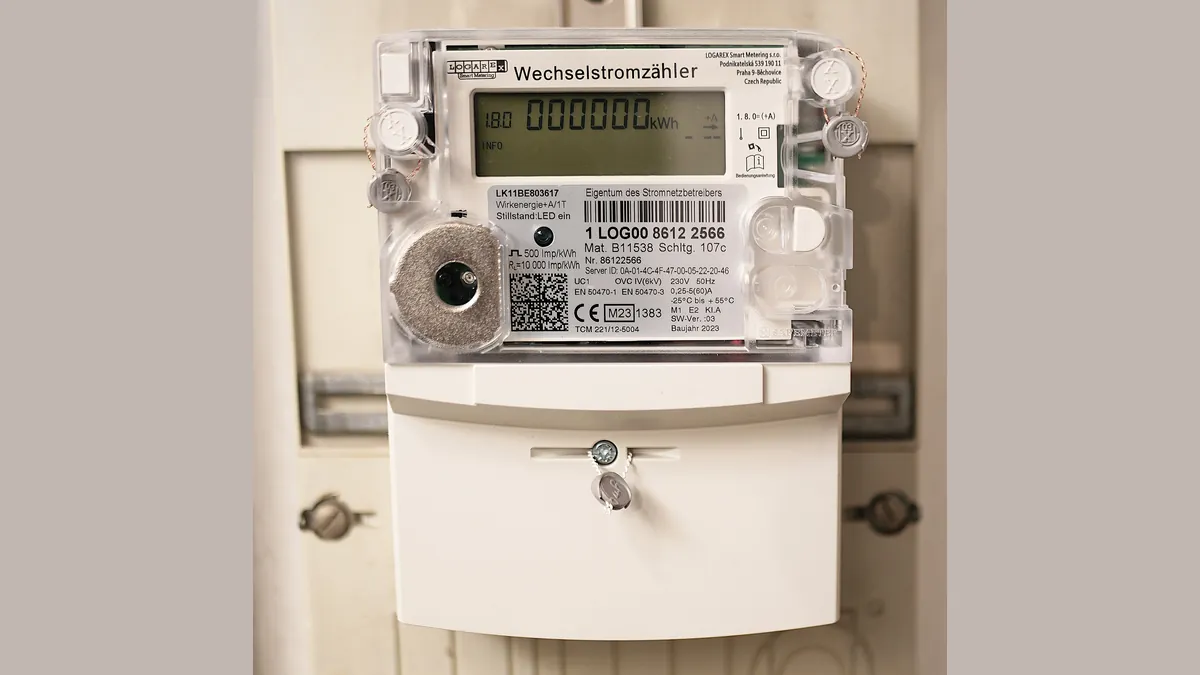
Symbolic image · Photo: RobbieIanMorrison / Wikimedia Commons, CC BY 4.0 (cropped and resized)
Electricity customers in Germany face higher add-on costs in 2027. The three nationwide levies on the electricity price will rise by a combined 22.9 per cent, from 2.946 to 3.621 cents per kilowatt hour. That is according to the rates set by the four transmission system operators and evaluated by the municipal utilities association ASEW, the portal echo24 reported on 28 October. The surcharge for special grid use grows most, by 30 per cent to 2.027 cents. The offshore grid levy rises by 21.5 per cent to 1.143 cents, while the CHP levy edges up to 0.451 cents.
For a household using 3,500 kilowatt hours a year, the calculation shows about 28 euros in extra gross costs per year, and about 32 euros at 4,000 kilowatt hours – provided suppliers pass on the increase in full and all other price components stay the same. The overall electricity price therefore does not rise by 23 per cent. Grid fees come on top: according to the portal Strom-Report, transmission grid fees climb from 2.86 to 3.54 cents because the federal subsidy falls from 6.5 to about 5.5 billion euros. For distribution grids, Verivox expects around 10 euros in extra costs for a household using 4,000 kilowatt hours.
A lower electricity tax could bring relief. Chancellor Friedrich Merz has announced plans to cut it for everyone from 2.05 to the EU minimum of 0.1 cents per kilowatt hour, without naming a date. According to echo24, the cut has not been decided; a government spokesperson said on 23 October that it is subject to financing. If passed on in full, a household using 4,000 kilowatt hours could save about 93 euros a year, according to Strom-Report. New customers currently pay an average of 31.2 cents per kilowatt hour and existing customers 34.4 cents (as of October 2026), according to Strom-Report.
This article is for information only and is not legal, tax, financial or medical advice. Figures as of the date stated.