
Bulgarian property: UBB bank sees negative real rates – and expects cooling
Home loans cost 2.42% on average, below inflation, according to UBB. Bulgaria ranks second in the EU for house price growth, behind Portugal.
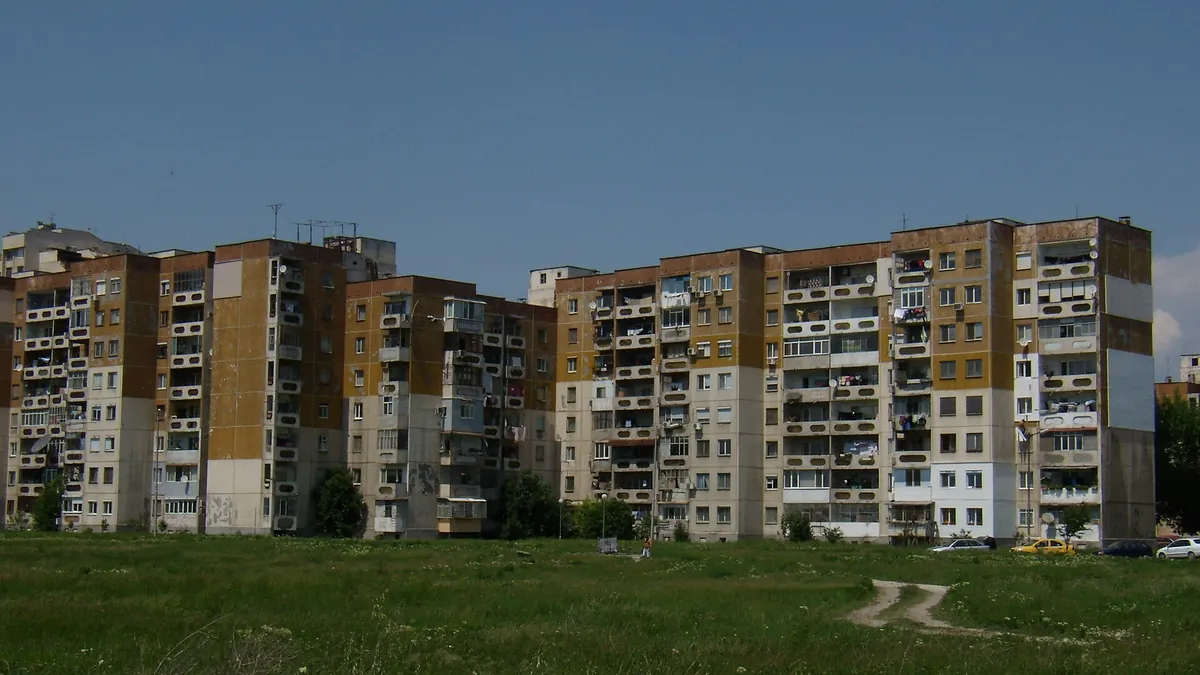
Symbolic image · Photo: Gligan (talk) / Wikimedia Commons, CC BY 3.0 (cropped and resized)
Bulgaria's housing market remains resilient despite fewer sales, partly because borrowing costs almost nothing in real terms, according to an analysis by United Bulgarian Bank (UBB) published on Oct. 21, 2026, based on National Statistical Institute (NSI) data. The average rate on new housing loans was 2.42% in August, below annual inflation of 5.0%, meaning real mortgage rates were negative. The volume of housing loans most recently reached 19.3 billion euros, up 25.2% from a year earlier, according to the Bulgarian National Bank, Dir.bg reported.
Home prices rose 15.5% year on year in the second quarter and 4.5% from the previous quarter, according to the NSI. That puts Bulgaria second in the EU behind Portugal (16.5%) and ahead of Lithuania (14.3%), UBB said; the EU average was 4.7% and the euro area 4.0%. Among the large cities, Plovdiv posted the biggest quarterly rise (5.8%), followed by Stara Zagora, Varna and Sofia; only Burgas saw prices fall (1.5%).
The number of sales in the second quarter was 18.1% lower than a year earlier and their value 5.8% lower, UBB said, although both rose sharply from the first quarter. Chief economist Emil Kalchev expects price growth to slow gradually over the medium term because of slower wage growth and because the euro area's cycle of rising interest rates is reaching Bulgaria.
This article is for information only and is not legal, tax, financial or medical advice. Figures as of the date stated.