
PNAS: Heat pumps could drive winter power peaks more than climate change
A model study of 183 U.S. counties through 2060 finds heat pumps could raise extreme peak demand by 60% to 104% in cold regions, a challenge grids must plan for.
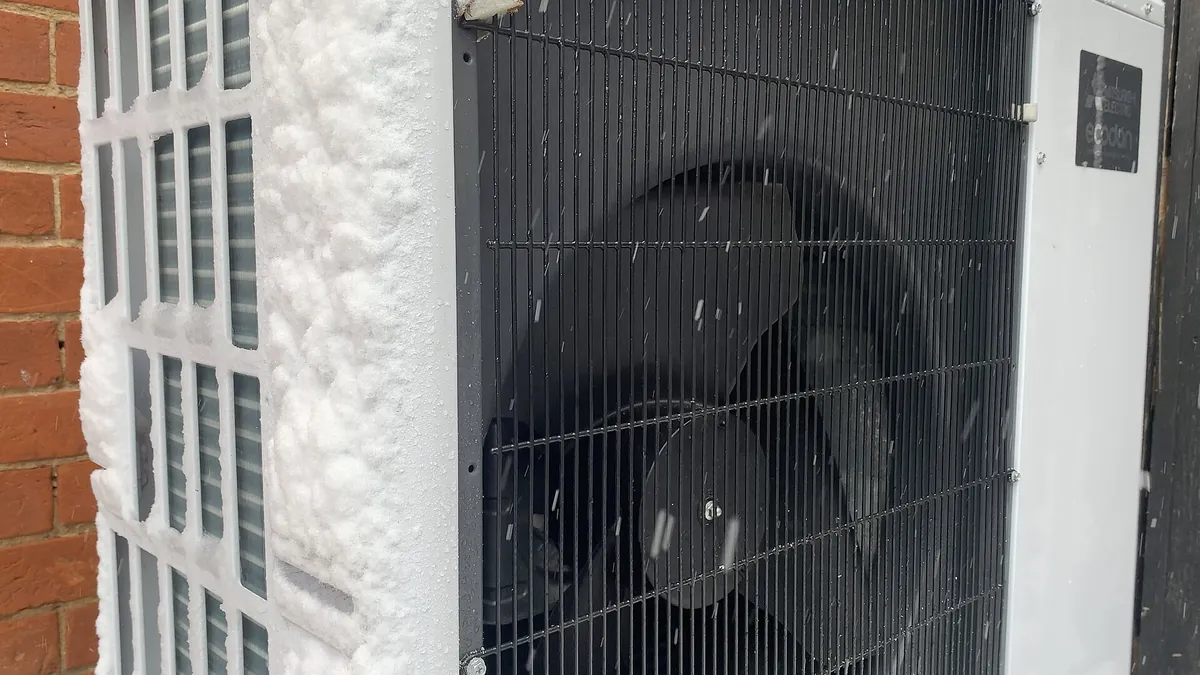
Symbolic image · Photo: PeterEastern / Wikimedia Commons, CC BY-SA 4.0 (cropped and resized)
The shift to climate-friendly heating could strain power grids more than warming itself, according to a University of Michigan study with MIT and Cornell University published in PNAS on Oct. 20. A team led by postdoctoral fellow Mai Shi and energy systems researcher Michael Craig used machine learning to estimate extreme peaks in building electricity demand in 183 U.S. counties from 2020 to 2060, across four climate scenarios and 18 pathways for the spread of heat pumps and insulation.
The results are model projections, not measurements. Climate change alone raises extreme peaks by 3% to 9% in most regions, driven by cooling demand; only in the Northwest do they fall, by 3%. Heat pump adoption alone raises them by 60% to 104% in cold regions such as the Northeast and Midwest and by about 15% in temperate areas. In hot regions such as Texas and California, peaks decline.
The authors stress substantial uncertainty, and warming can also improve heat pump efficiency in winter. "Tech diffusion may have a larger impact than climate change on peak demand in a lot of regions," Shi said, adding that regions can steer outcomes through incentives and regulations. Craig said at the same time: "Climate change still matters a lot."