
PNAS study: AI aims to spot climate tipping points in advance
A Caltech team presents a neural network that, in simulated data, predicted the tipping point of a cloud loss more than two years ahead with an error of about 11 days.
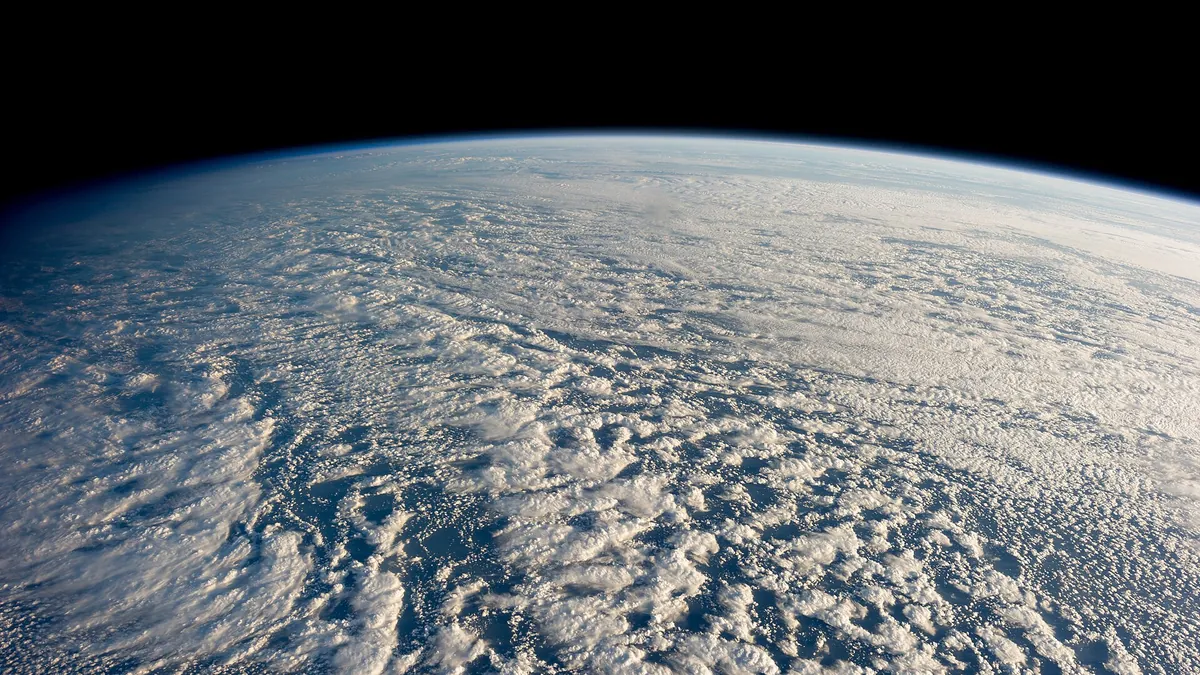
Symbolic image · Photo: ISS Expedition 34 Crew Image Science & Analysis Laboratory, NASA Johnson Space Center Derivative work including grading, / Wikimedia Commons, Public domain (cropped and resized)
Researchers at the California Institute of Technology (Caltech), with colleagues from the University of Colorado Boulder and chipmaker NVIDIA, have developed an AI method designed to forecast tipping points in changing systems. The study "Tipping Point Forecasting in Non-Stationary Dynamics on Function Spaces" was published in PNAS; Caltech presented it on 15 October. Tipping points are thresholds beyond which a system shifts into a new, sometimes irreversible state.
The so-called recurrent neural operator was tested, among other things, on simulated data of a scenario in which low clouds over the oceans rapidly disappear as CO2 levels rise – a loss that would further add to global warming. According to Caltech, the model looked more than two years ahead of the expected tipping point and predicted its timing with an error of about 11 days. It flags trouble when its predictions stop following the physics it has learned.
Importantly, these are tests on simulated data, not a forecast for the real climate system. "This work lays the foundations for characterizing tipping points and predicting when they might occur in the future," said principal author Anima Anandkumar. Caltech says the research is cited in a recent United Nations report on tipping points.