
Robotaxis: five Tesla crashes happened while humans were steering remotely
New US crash reports show that remote operators were in control during five collisions involving Tesla's robotaxi fleet. The company does not disclose how often they intervene.
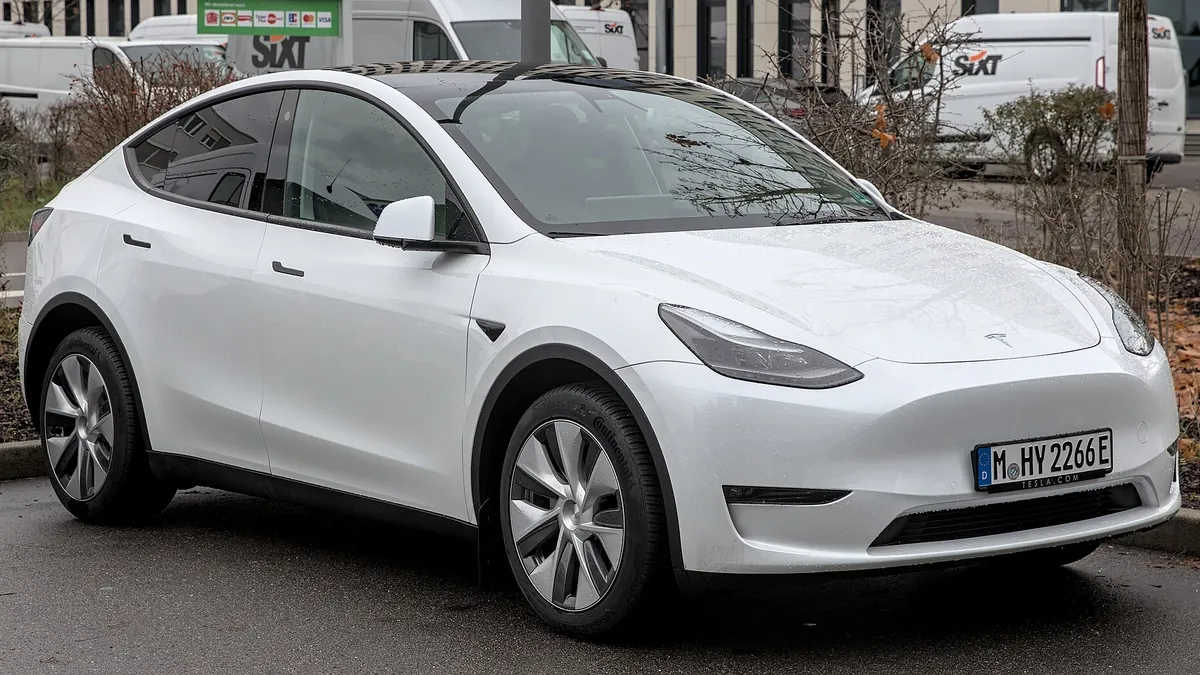
Symbolic image · Photo: Alexander Migl / Wikimedia Commons, CC BY-SA 4.0 (cropped and resized)
Crash reports filed with the US road safety agency NHTSA shed light on a little-noticed side of autonomous ride services: remote driving by humans. According to an analysis by the trade site Electrek, Tesla has now reported 36 incidents involving its robotaxis, up from 22 in July. In five cases, the car was being driven not by the software but by an employee steering it remotely. The two most recent reports date from August 2026.
Where details are known, the vehicles were moving slowly and the damage was to property. In Austin in July 2025, a remote operator took over after the safety monitor could not get the car to proceed; he turned and drove over a kerb into a metal fence at about 8 mph. In January 2026, a remote operator in Austin hit a construction barricade at about 9 mph. In Houston in May 2026, a vehicle struck a tree stump. In August 2026, a remotely driven car in Dallas touched a parked vehicle and another in Austin hit a dumpster – both without passengers and at walking pace.
Tesla does not say how often its remote operators intervene at all. A crash rate therefore cannot be calculated, and the reports by their nature only cover cases that ended in a collision. Tesla had initially made no public statement on the incidents. Rival Waymo said in a February letter to US Senator Ed Markey that it does not drive its vehicles remotely: staff only provide guidance that the car can accept or reject.