
Weight-loss and diabetes jabs: study finds rare risk of sudden vision loss
A US analysis links GLP-1 drugs such as semaglutide to reduced blood flow to the optic nerve. According to the researchers, the additional risk is small.
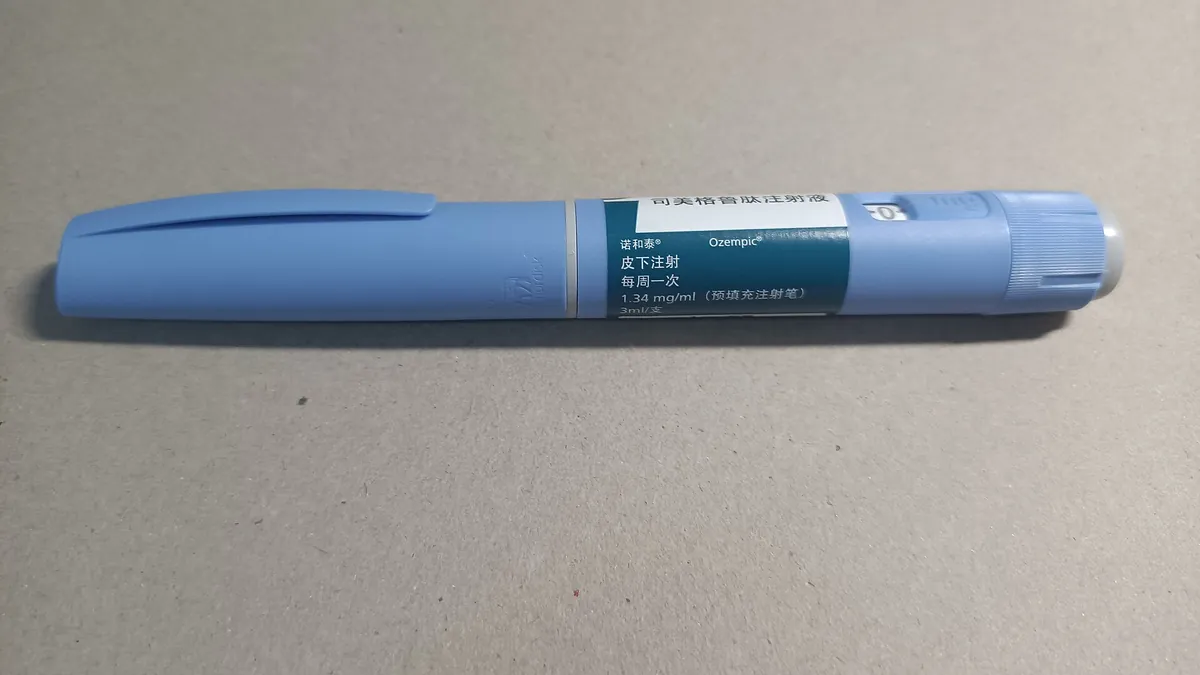
Symbolic image · Photo: HualinXMN / Wikimedia Commons, CC BY-SA 4.0 (cropped and resized)
Drugs from the GLP-1 receptor agonist class such as semaglutide (Ozempic, Wegovy) or tirzepatide (Mounjaro, Zepbound) may be linked to a rare eye problem. A team from Rutgers University reports this in the journal Annals of Internal Medicine; ScienceDaily covered the study on 15 October. The researchers looked at ischaemic optic neuropathy, a condition in which the optic nerve receives too little blood. They analysed a large US database of adults aged 18 to 65 with type 2 diabetes who had recently started treatment.
According to the study, the additional risk is small: about three to four extra cases per 10,000 patients treated with GLP-1 drugs over 18 months. Men and people aged 50 to 65 were most affected. The authors say about one third of those affected recover some vision, usually within the first six months. Clinicians and patients "should be aware of this potential association", said lead author Chintan Dave.
The study shows a statistical association, not proof that the drugs damage the optic nerve. Differences in patients' underlying conditions could explain part of the effect, and more research is needed, the authors stress. They advise taking sudden vision changes such as blurriness, dimming or missing areas in the field of view seriously and having them checked promptly by an eye doctor. People taking these medicines who have questions should discuss them with their doctor and not stop treatment on their own.
This article is for information only and is not legal, tax, financial or medical advice. Figures as of the date stated.