
One year of Gaza ceasefire: more than 1,400 killed, no rebuilding, disarmament deadlock
A ceasefire took effect in Gaza on Oct. 10, 2025. A year on, Trump's 20-point plan has been only partly implemented and the humanitarian situation remains dire.
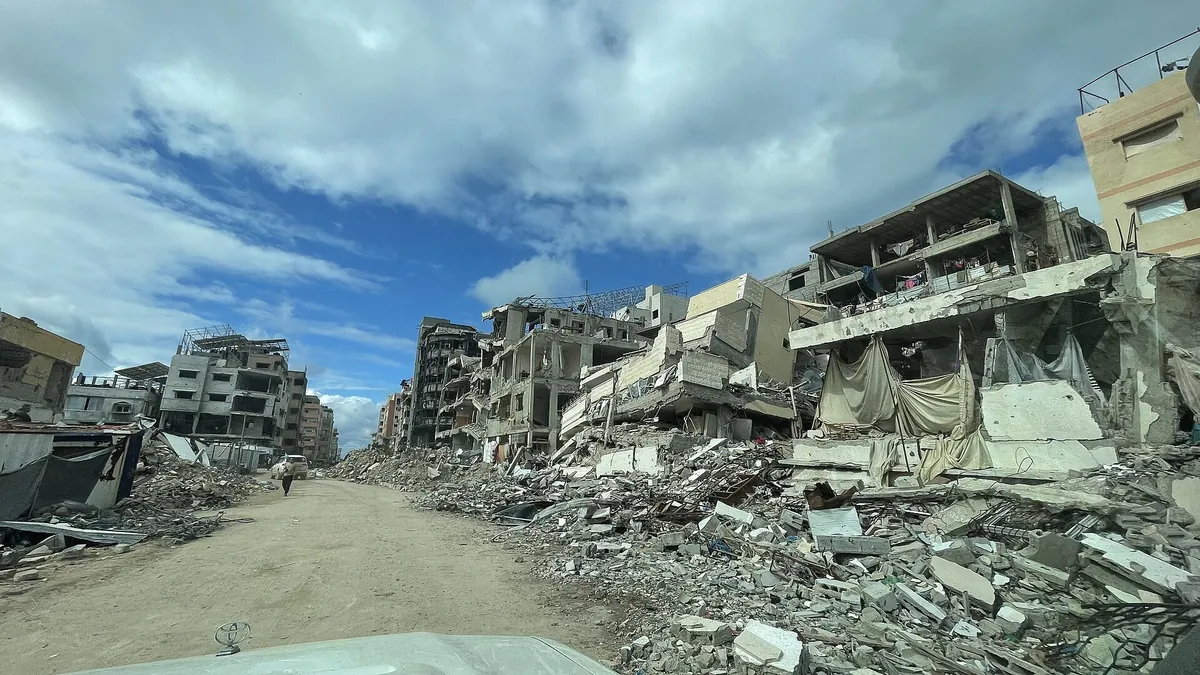
Archive image · Photo: Jaber Jehad Badwan / Wikimedia Commons, CC BY-SA 4.0 (cropped and resized)
A year after the Gaza ceasefire took effect on Oct. 10, 2025, Donald Trump's 20-point plan has been only partly implemented, according to an Al Jazeera review. Hamas released all living captives, and Israel freed Palestinian prisoners. In November, the U.N. Security Council recognised Trump's Board of Peace as a transitional administration. In September, the board unveiled a $2.4bn recovery plan, while aid agencies estimate reconstruction needs at about $70bn.
According to figures compiled by Al Jazeera, more than 1,400 Palestinians have been killed since the ceasefire began. About 227 aid trucks enter daily against the 600 required, according to the IPC hunger monitor, which projects that about 1.4 million people will face hunger until at least December. Israel controls about 60% of the territory rather than the agreed 50%; Defence Minister Israel Katz has said the army "will never fully leave." No international stabilisation force has been deployed.
Disarmament remains the main sticking point. Hamas has agreed to hand weapons to the Palestinian administrative committee but rejects the disarmament clause. Israel says it will not move to phase two until Hamas disarms and dismissed the group's announced dissolution of its Gaza government as a "stunt." The administrative committee operates from Cairo because Israel has not let it into Gaza. Lancaster University professor Simon Mabon said the Board of Peace has "failed."