
Western vs. Eastern Europe: does a higher standard guarantee a better life?
Income and security versus nature, good food and peace of mind – how our ideas of well-being are changing.
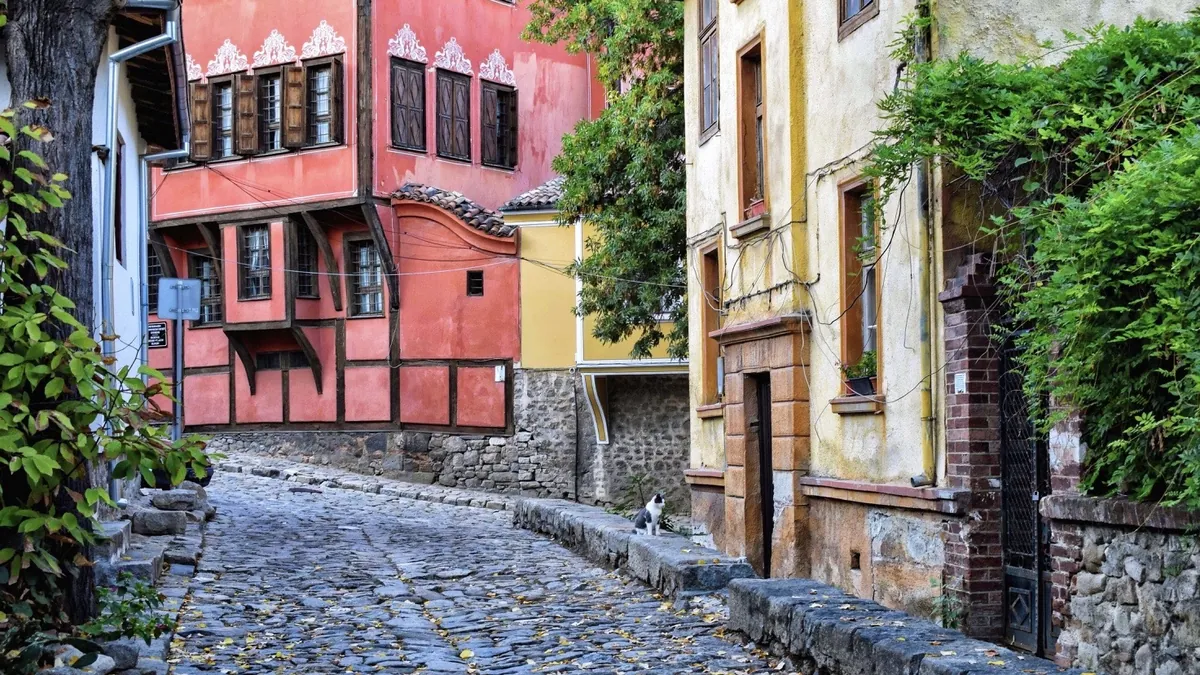
Symbolic image · Photo: Jocelyn Erskine-Kellie from London, UK / Wikimedia Commons, CC BY-SA 2.0 (cropped and resized)
For decades, Western Europe has been a symbol of high living standards, economic stability and career opportunities. For many people from Eastern Europe, moving west is a way to get better pay, more secure work and access to better-developed public services.
But today more and more people are starting to ask whether a higher income necessarily means a better life.
The pursuit of a healthy lifestyle is changing our ideas of well-being. Clean air, good food, closeness to nature, free time and peace of mind are becoming increasingly important. The comparison between Western and Eastern Europe thus goes beyond traditional economic indicators and brings something far more personal to the fore – the quality of everyday life.
Higher incomes, but also higher costs
Among the main advantages of many Western European countries are higher wages, well-developed labour standards and better-organised public services. Many countries offer more career opportunities as well as social systems that provide support in unemployment, illness and retirement.
These advantages, however, often come with high costs for housing, transport, services and everyday needs. In big cities, a large share of income can go on basic expenses, which limits freedom of choice and the ability to save.
In many parts of Eastern Europe, the cost of living can be lower, although this often goes hand in hand with lower incomes. For people who own their home, work remotely or have a stable income from abroad, life outside Europe's most expensive centres can offer a different financial balance.
In the end, what matters is not only the size of the salary but purchasing power – what is left after paying for housing, food, bills and other obligations.
Food quality: tradition, origin and choice
Food is one of the factors that directly affect our health and daily well-being. Across Europe there are good opportunities to access quality products, but eating habits and consumer behaviour can differ considerably.
In some Western European countries, consumers have a wide choice of organic products, specialist shops and diverse foods. At the same time, mass production and the widespread availability of highly processed foods raise questions about the composition and nutritional value of some of the products on offer.
In many Eastern European and Mediterranean regions, traditions of seasonal eating, local production and the use of fresh fruit, vegetables, fish, pulses and olive oil can still be found. The Mediterranean diet, typical of Greece and other countries in the region, is well researched for its link with a number of indicators of cardiovascular health.
Of course, traditional cuisine does not automatically mean healthy eating, just as a higher price does not guarantee quality. What matters is where products come from, how they are produced, how varied the diet is and how processed the food is.
Clean air and closeness to nature
Access to clean air and natural spaces is an important but often underestimated part of quality of life.
Large Western European cities can offer well-developed infrastructure, public transport, parks and cycle lanes. Even so, dense development, car traffic, noise and high housing costs sometimes limit the chance of living in a calmer environment.
Eastern and Southern Europe have many areas with lower population density, mountains, forests, coastlines and rural communities. Such surroundings can create conditions for more outdoor activity, closer contact with nature and a different pace of daily life.
Mediterranean regions, including parts of Greece, combine a mild climate for much of the year, access to the sea and traditions in food and social life that attract people looking for an alternative to the pace of big cities.
That does not mean, however, that the air is cleaner everywhere in the east or south. Pollution, a lack of green spaces, water stress and summer heat are real challenges in various parts of Europe. That is why the specific environment matters more than the geographical label.
Stress and the price of modern life
A high standard of living does not always mean less stress. Professional competition, long commutes, high housing costs and a packed schedule can turn daily life into a constant race.
For people living far from their families, adapting to another culture, the language barrier and building a new social circle are additional challenges. Even with good material conditions, loneliness and a lack of close relationships can affect life satisfaction.
In other parts of Europe, a slower pace, closeness to family and an active social life can provide more emotional support. This is often associated with certain Mediterranean communities, but it is not a universal trait of all people or countries.
At the same time, lower incomes, insecure work and difficult access to services also cause stress. That is why peace of mind depends not only on lifestyle but also on financial security, a good health system and the ability to organise one's time according to one's own needs.
Healthcare and social security
Access to healthcare is an essential part of well-being. Many Western European countries have considerable resources for medical services, prevention and social support. Even so, waiting times for specialists, staff shortages and regional differences remain challenges.
Eastern and Southern Europe also have well-trained medical professionals and good hospitals. The differences are often linked to funding, access to modern equipment and how services are distributed between big cities and remote areas.
Similar differences can be seen in education, public transport and administrative services. For people considering a move, it is important to assess not only everyday comforts but also the security a place can offer in case of illness, loss of income or other unforeseen circumstances.
Can we combine the advantages of both regions?
The rise of remote work and international professional ties is changing traditional ideas about where to live. For some people it is now possible to work with clients or companies in Western Europe while living in a smaller town or an area with better access to nature.
This model can combine broader career opportunities with more affordable housing, more personal space and a different pace of life. It does, however, depend on the profession, the stability of income, tax and social security rules, and the quality of local infrastructure.
The choice does not have to be between a big Western European city and a small place in Eastern Europe. In every part of the continent there are cities, coastal areas and rural communities offering different combinations of economic opportunity, natural surroundings and social life.
What does a better life really mean?
Western Europe offers significant advantages in terms of income, labour standards and many public services. In Eastern and Southern Europe there are areas where lower costs, nature, seasonal food and social ties can offer a different balance between work and private life.
No region offers a universal solution. A high income does not guarantee peace of mind, just as beautiful nature cannot make up for a lack of financial security or access to medical care.
Perhaps the most significant change is that more and more people are starting to measure quality of life not only by material gains but also by the time they have left for themselves, their health and their relationships with the people close to them.
This article is for information only and is not legal, tax, financial or medical advice. Figures as of the date stated.