
Type 2 diabetes in younger adults: 54% reach remission with diet and exercise
In a study of 96 adults aged 18 to 45, more than half reached remission after 24 weeks on a strict low-calorie plan with supervised exercise.
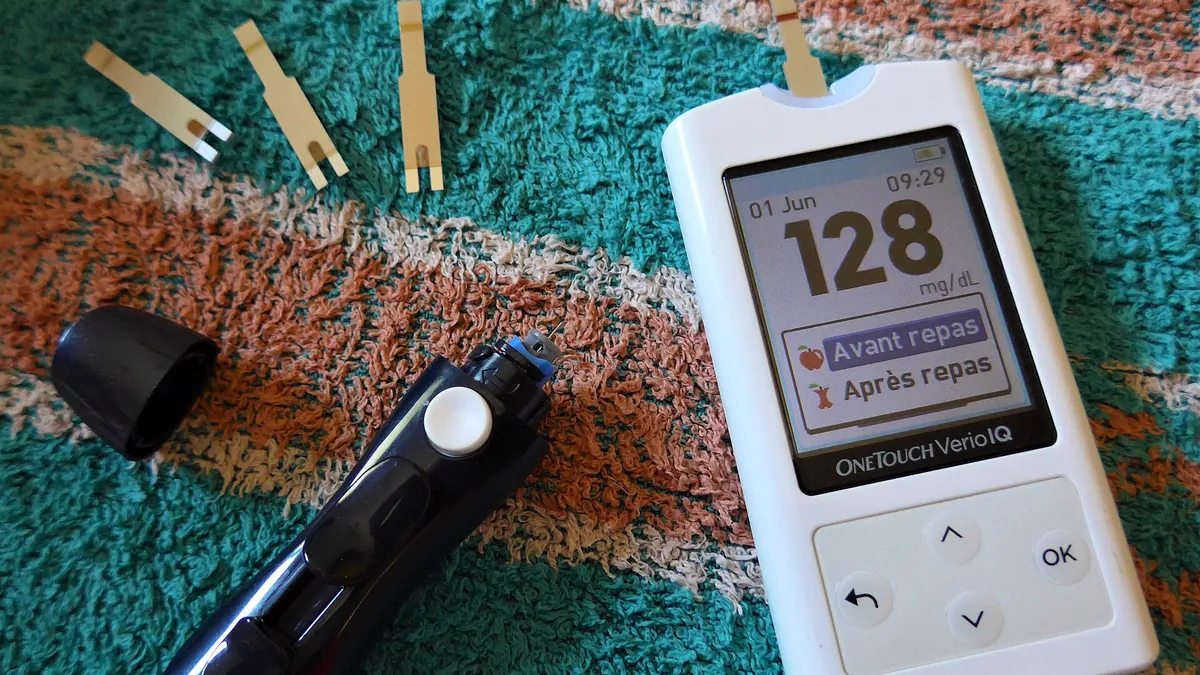
Symbolic image · Photo: Celeda / Wikimedia Commons, CC BY-SA 4.0 (cropped and resized)
A low-calorie diet combined with supervised exercise frequently led to remission of type 2 diabetes in younger people. That is the finding of the randomized RESET for Remission trial by McGill University (Montreal), the University of Leicester and the University of Alberta, published in The Lancet Regional Health – Americas and presented at the annual meeting of the European Association for the Study of Diabetes (EASD). It enrolled 96 adults aged 18 to 45 with early-onset type 2 diabetes and obesity who were not using insulin.
For the first 12 weeks, the intervention group ate 800 to 900 kilocalories a day and exercised twice a week under supervision and once on their own; a weight-maintenance phase followed. After 24 weeks, 27 of 50 participants (54%) were in remission, compared with 2 of 46 (about 4%) in usual care. The intervention group lost 8.4 kilograms on average, the control group 1.2 kilograms. Side effects such as constipation, headache, dizziness and fatigue were common, but no serious adverse events were reported.
The authors say longer real-world studies are needed to see whether weight loss and remission last. According to the researchers, remission also does not necessarily mean the disease is permanently cured.
This article is for information only and is not legal, tax, financial or medical advice. Figures as of the date stated.