
Honey – health benefits and how to recognise a quality product
Types of honey, nutritional value, proven benefits and how to choose quality honey – and why home tests with water, paper or matches don't work.
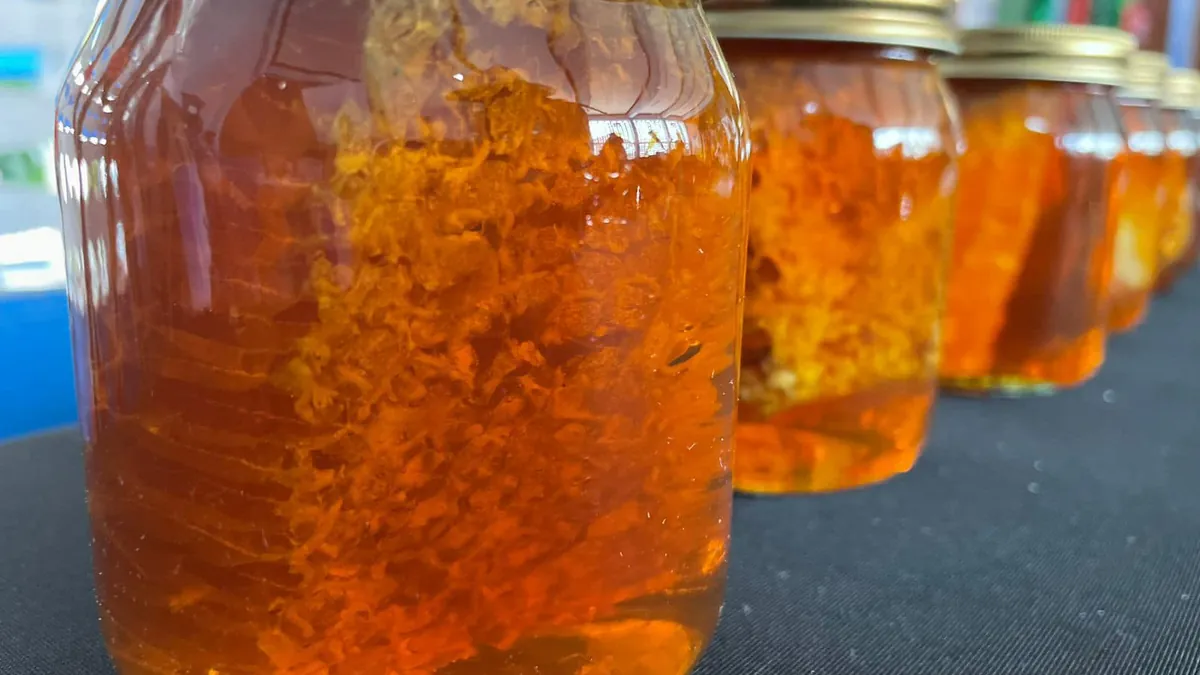
Symbolic image · Photo: Government of Antigua and Barbuda / Wikimedia Commons, Public domain (cropped and resized)
Honey is one of the most valued natural foods, known for its distinctive taste, aroma and wide range of uses. Besides being a natural sweetener, it is also used to ease coughs and soothe an irritated throat. But what are its real benefits, and how do you choose a quality honey from the many products on the market?
How many types of honey are there?
Honey varies according to the plants from which bees collect nectar and the way it is produced. Among the most popular types are acacia, linden, sunflower, rapeseed and chestnut honey. There is also multifloral honey, made from various flowering plants, and honeydew honey, which stands out for its darker colour and rich flavour.
Each type has its own characteristics. Acacia honey, for example, usually stays liquid longer, while sunflower honey crystallises relatively quickly.
What is the nutritional value of honey?
Honey consists mainly of fructose and glucose, along with small amounts of minerals, enzymes and antioxidant compounds.
Despite its natural origin, honey is a concentrated source of sugars, so moderate consumption is important.
What are the benefits of honey?
Honey contains antioxidant compounds, the amount of which depends on its type and origin. They help protect cells from oxidative stress.
One of its well-researched uses is relieving coughs in upper respiratory tract infections. Its thick consistency can soothe an irritated throat, especially in the evening.
Thanks to its natural sugar content, honey provides quick energy. It is also suitable for sweetening drinks, breakfasts and desserts, but it is not significantly lower in calories than ordinary sugar.
How to recognise quality honey?
When choosing honey, it is important to pay attention to a few key factors:
- Origin – prefer products with a clearly stated producer and traceable origin.
- The label – check the information on origin, batch and best-before date.
- Aroma and taste – quality honey usually has the aroma and taste typical of its variety.
- Consistency – crystallisation is a natural process and does not mean the honey is of poor quality.
Do not rely on popular home tests with water, paper or matches. They cannot reliably show whether honey is pure. Specialised laboratory analyses are needed to establish authenticity and detect any added syrups.
When to be careful and how to store honey
Honey should not be given to children under 12 months of age because of the risk of infant botulism. People with diabetes should also take its sugar content into account and adjust the amount to their individual diet.
To preserve its qualities, honey is best stored in a tightly closed container in a dry, cool place, away from direct sunlight and high temperatures. Using a clean, dry spoon protects it from moisture and contamination.
Honey is a valuable natural food with a distinctive taste and antioxidant compounds. To benefit from its qualities, it is important to choose products with a clear origin, store them properly and enjoy honey in moderation.
This article is for information only and is not legal, tax, financial or medical advice. Figures as of the date stated.