
German insurer warns emergency rooms are overloaded, urges mandatory phone triage
Outpatient emergency cases at German hospitals rose 8.7% on average over 10 years and more than doubled at one in 10 hospitals, Barmer said. It called the government's emergency care reform too lax.
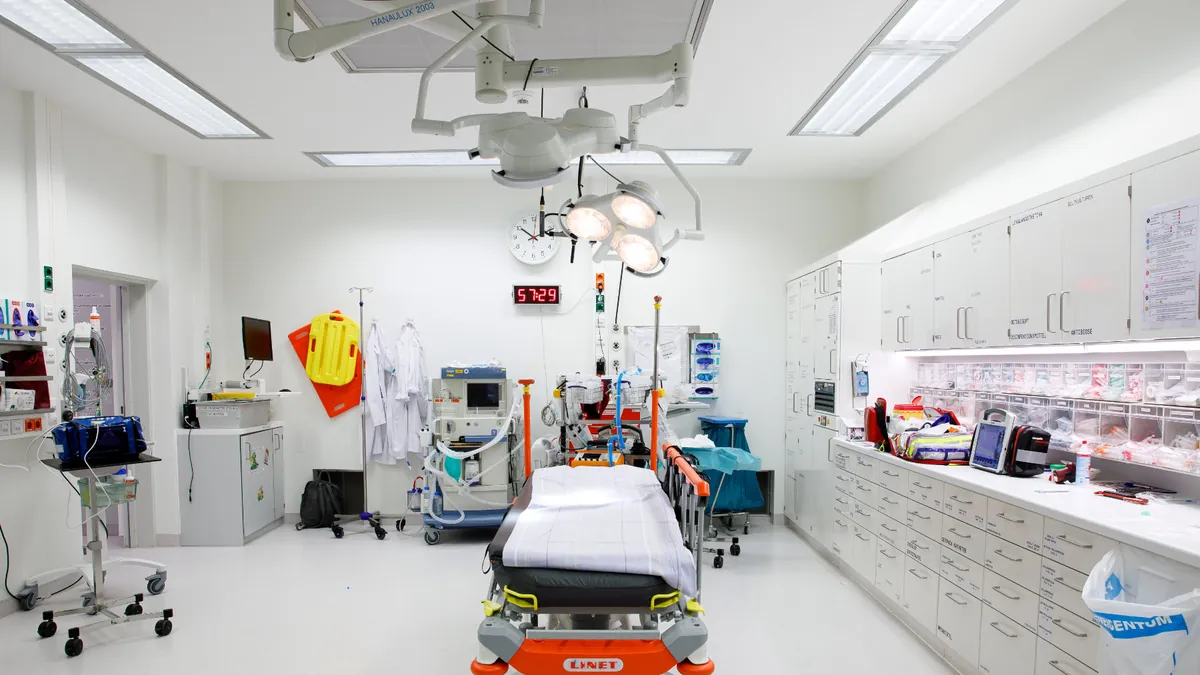
Symbolic image · Photo: Philip Benjamin – Medizinische Fakultät Mannheim / Wikimedia Commons, CC BY 4.0 (cropped and resized)
Emergency departments at German hospitals are under growing strain, according to an analysis by health insurer Barmer. Its 2026 hospital report, presented in Berlin on Tuesday, found outpatient emergency treatments per hospital rose by an average of 8.7% over 10 years. At one in 10 hospitals, cases have more than doubled since 2015. The total grew from 12.3 million in 2015 to 12.7 million in 2024, while the number of hospitals providing emergency care fell from 1,614 to 1,536.
The trend varies widely: at two in five hospitals, case numbers rose 39%, while at another two in five they fell 26%. In Baden-Württemberg, hospitals treated 50% more outpatient emergencies per resident in 2024 than the national average; in Thuringia the rate was nearly 22% below it. In Berlin, cases fell 14.6% since 2015. Study author Daniel Grandt said the differences could be explained neither demographically nor medically.
"The overloading of emergency departments by non-urgent cases endangers patient care," Barmer CEO Christoph Straub said. He called for mandatory telephone triage with binding referral of patients. The federal emergency care reform provides for such assessments but does not make them compulsory, he said. Grandt also urged a public information campaign. The report is based on data from about 8.5 million insured people.