
After PHP flaw, German digital minister Wildberger turns to AI on security gaps
Karsten Wildberger (CDU) sees a “new era of cybersecurity.” So far there are no signs of successful attacks on federal administration systems, the minister says.
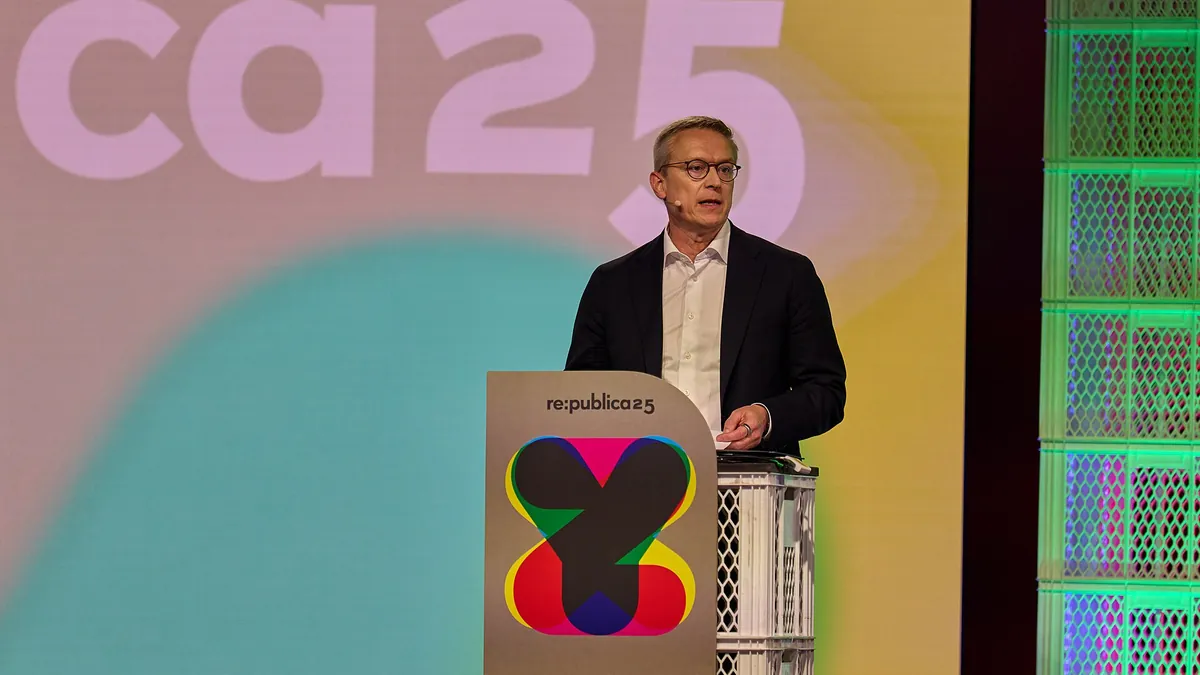
Archive image · Photo: Leonhard Lenz / Wikimedia Commons, CC BY 4.0 (cropped and resized)
Following the critical security flaw in the web technology PHP, German Digital Minister Karsten Wildberger of the conservative CDU is turning to artificial intelligence. “We are at the beginning of a new era of cybersecurity,” he told the Kölner Stadt-Anzeiger newspaper, German news agency dts reported on Sunday. AI tools could detect vulnerabilities faster and more precisely than ever before, he said. “In the digital space, it is now about speed, in order to identify and close security gaps in time,” Wildberger said.
Germany's Federal Office for Information Security (BSI) and authorities worldwide had warned about the serious flaw. Numerous websites, including those of the federal government and administration, were temporarily taken offline. “The federal government takes the incident and the current warnings very seriously,” the minister said. However, there were “no indications of a successful compromise of federal administration systems.”
The government is investing specifically in digital sovereignty, including a new AI security institute in Berlin. A spokesperson for the digital ministry stressed that the warning issued on Wednesday remains in force: “The BSI continues to see an acute need for action.” Users should install the patches provided promptly.