
Blood pressure: At-home ear stimulation shows mixed results in small study
A device with clips on the ear aims to lower blood pressure through nerve stimulation. In a London study it showed no measurable benefit overall, but did help people with severe hypertension.
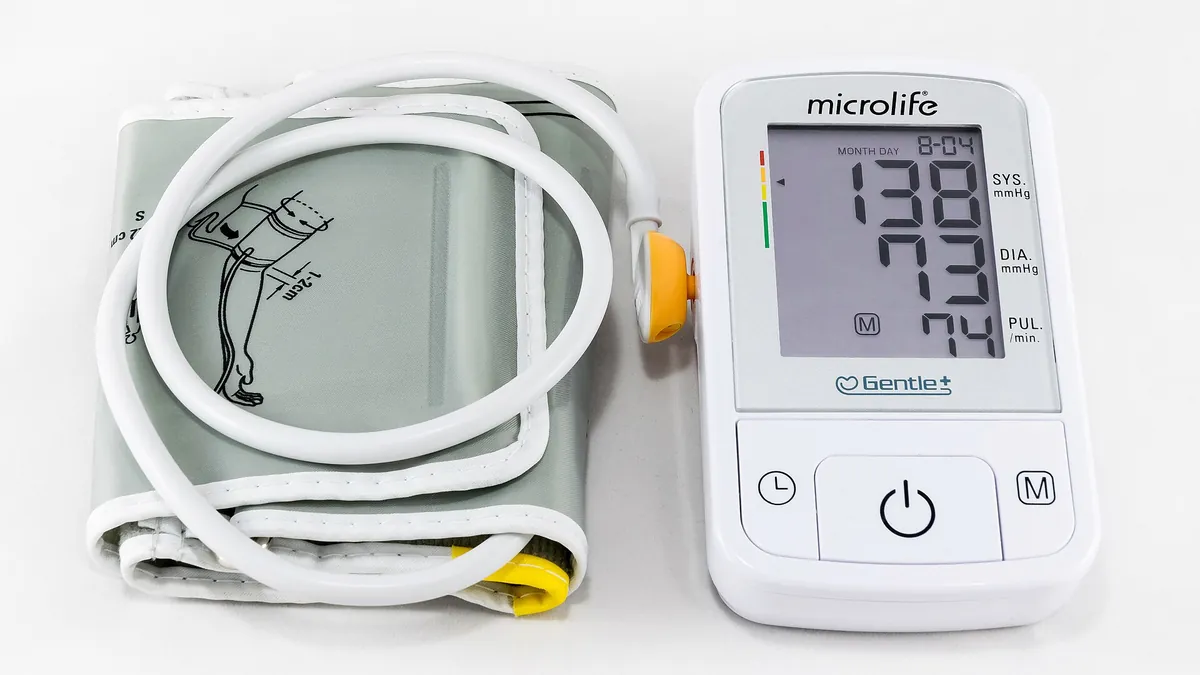
Symbolic image · Photo: Jacek Halicki / Wikimedia Commons, CC BY-SA 4.0 (cropped and resized)
Can a weak electrical stimulus at the ear lower blood pressure? A team at Queen Mary University of London investigated this in the SCRATCH-HTN study, published in the American Heart Association journal “Hypertension,” ScienceDaily reported on Oct. 24, 2026. The trial tested a handheld device made by Afferent Medical Solutions whose two clips attach to the tragus, the small flap of cartilage in front of the ear canal. The method is called transcutaneous autonomic neuromodulation and can be used at home. The study was funded by Britain’s National Institute for Health and Care Research.
The trial enrolled 63 adults whose blood pressure remained too high despite at least one medication. They were randomly assigned to real stimulation or a sham device, 30 minutes daily for two weeks, then once a week for 10 weeks. The device was safe and well tolerated. Across all participants, however, there was no statistically significant difference in blood pressure. Only in a prespecified subgroup with more severe hypertension did it fall more with real stimulation than with the sham device.
Study leader Ajay Gupta said the technique could “ultimately be a cheap, scalable solution for millions.” But the researchers stress that the study is small and larger trials must follow. The report does not mention any approval of the device for treating high blood pressure. This report is general information; medication should not be changed without consulting a doctor.
This article is for information only and is not legal, tax, financial or medical advice. Figures as of the date stated.