
Polished by AI: dating apps grapple with doctored profile photos
A new outfit, a different hairstyle, a more confident pose: some singles have AI edit their dating photos. Hinge, Bumble and Match Group draw a line – where it turns into deception.
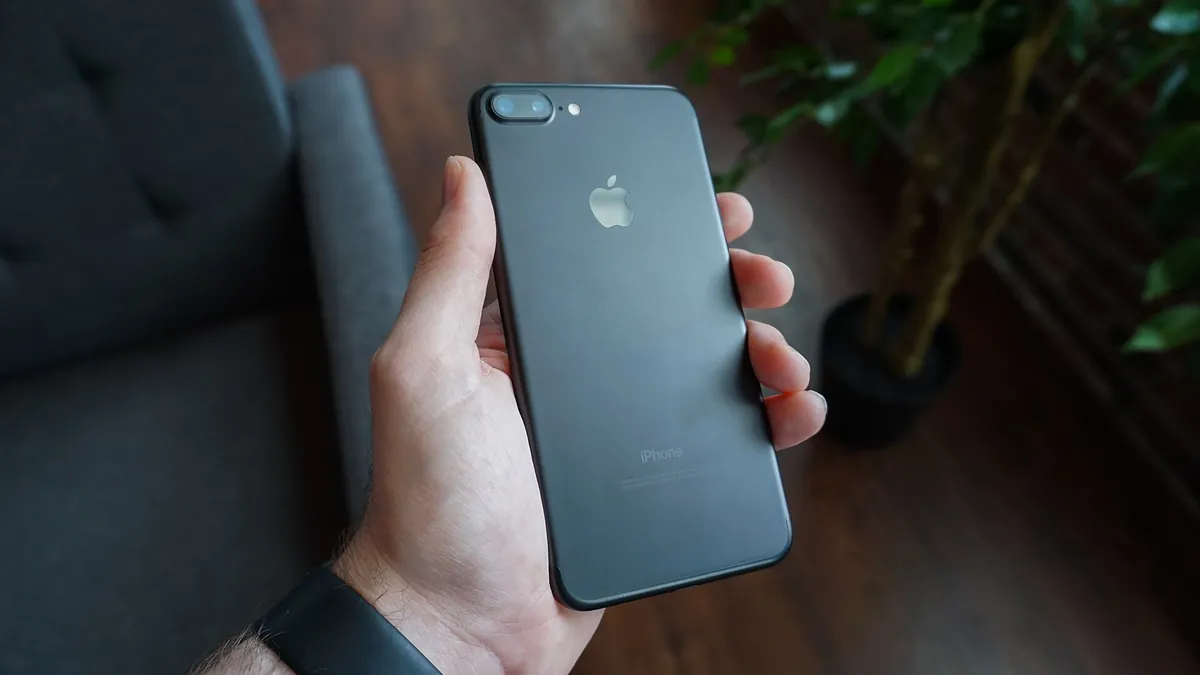
Symbolic image · Photo: Dennis Cortés / Wikimedia Commons, CC0 (cropped and resized)
Generative AI is changing how people present themselves on dating apps. US broadcaster CBS News reported on 14 October on singles in the United States who have profile pictures edited or created from scratch with programs such as ChatGPT or the image service Aragon.ai – from subtly altered clothing and hair to photos in places the person has never been. A New York dating consultant told the broadcaster she uses AI to change outfits, hairstyles or body language that looks insecure; she refused a client's request to put his head on a marathon runner's body. A man whose AI-generated rooftop photo drew many likes on Hinge was banned; he got his account back and deleted the picture. The report gives no figures on how widespread such photos are.
Kathryn Coduto, an assistant professor at Boston University who studies dating apps, told CBS: "So far, men are more interested in AI in the dating space, which isn't surprising." Women receive more matches and messages, so men have a harder time standing out, she said. At the same time, AI has made people "more wary and skeptical" of strangers. Hinge allows AI images in principle, but they "should not be used to misrepresent yourself or your intentions". Bumble bans artificially generated or enhanced photos meant to deceive others and says it relies on AI tools, human moderation, verification and member reports – up to permanent bans. Match Group, owner of Tinder and Hinge, said daters want more transparency, more authenticity and more confidence that a real person is on the other end.
Bumble introduced a dedicated option to report profiles suspected of using AI-generated photos or videos back in July 2024, TechCrunch reported at the time; its 'Deception Detector' tool against fake profiles launched in February 2024. According to the company, reports of spam, scams and fake profiles subsequently fell by 45 per cent – a figure that has not been independently verified. The platforms thus distinguish between permitted photo editing and deception; exactly where the line lies remains a matter of moderation in each case.
This article is for information only and is not legal, tax, financial or medical advice. Figures as of the date stated.