
Satellites measure massive methane leak at oil well in Niger
Since Sept. 25, at least about 40 metric tons of methane per hour have been escaping from a well in the Agadem oil field, satellite data show – a calculated total of over 17,000 tons by Oct. 13.
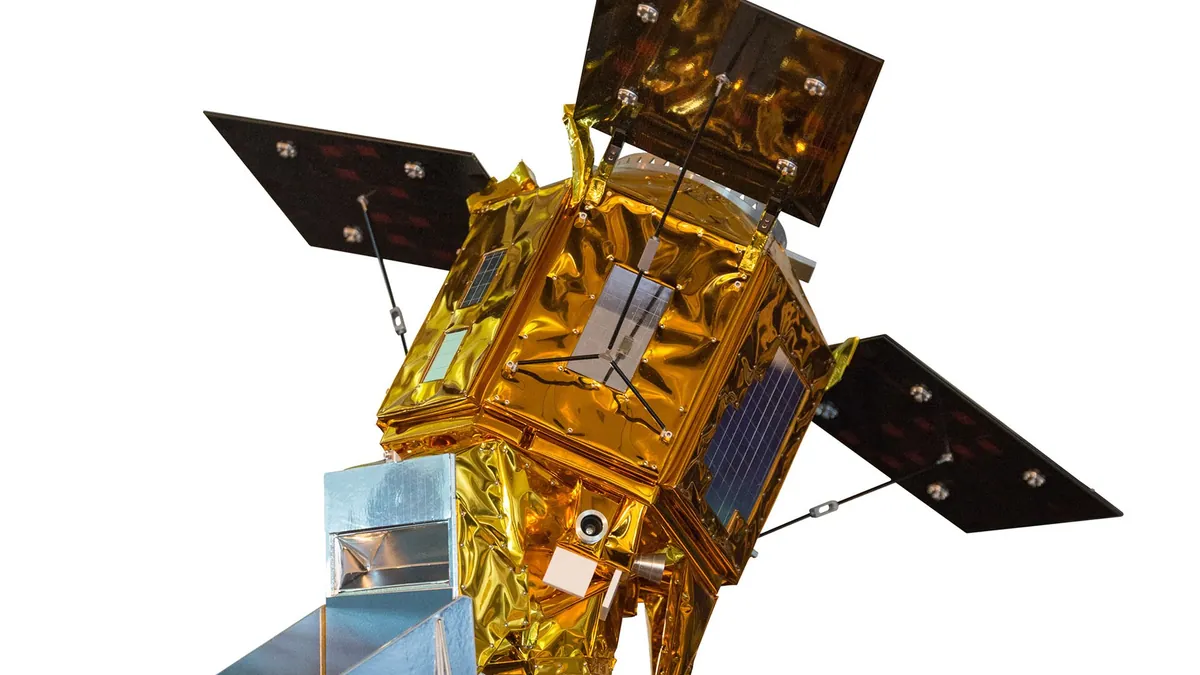
Symbolic image · Photo: SkywalkerPL / Wikimedia Commons, CC BY 3.0 (cropped and resized)
A blowout at an oil well in Niger is releasing large quantities of methane, a potent greenhouse gas, according to satellite measurements. The Netherlands Institute for Space Research (SRON) reported on Oct. 14 that the TROPOMI instrument on the European Sentinel-5P satellite had recorded an emission rate of about 40 metric tons per hour. An automated algorithm had flagged the plume in data from Oct. 8; analysis of older images showed that the leak began on Sept. 25. High-resolution images from Sentinel-2 showed a well as the source.
According to the agency Ecofin (Oct. 16), the well is Goumeri W8 in the Agadem block, operated by CNPC Niger Petroleum, a subsidiary of Chinese state-owned group CNPC. The government only made the incident public on Oct. 12, according to Ecofin; the oil ministry described it as an environmental incident of “exceptional severity.” According to Richard Engelen, deputy director of the European atmosphere monitoring service CAMS, the rate never fell below 40 tons per hour. At this minimum rate, the calculated total by Oct. 13 exceeds 17,000 tons – an extrapolation, not a measured total. Neither SRON nor Ecofin gives a range of uncertainty.
The emission rate is based on satellite observations; the figures are preliminary, and according to SRON the leak was still active as of Oct. 14. For comparison, Ecofin cites a 2018 blowout at an ExxonMobil well in Ohio, in which about 120 tons of methane escaped per hour. SRON informed CAMS and the U.N.’s International Methane Emissions Observatory (IMEO) so that it could contact those responsible. According to Ecofin, the cause of the blowout is unknown; two workers were hospitalized, and there were no deaths.