
WTO chief: wars are changing world trade for good – AI masks weaknesses
Ngozi Okonjo-Iweala expects companies to keep new, more expensive trade routes. The AI boom is masking trends that are not positive, she said on the sidelines of the IMF meetings.
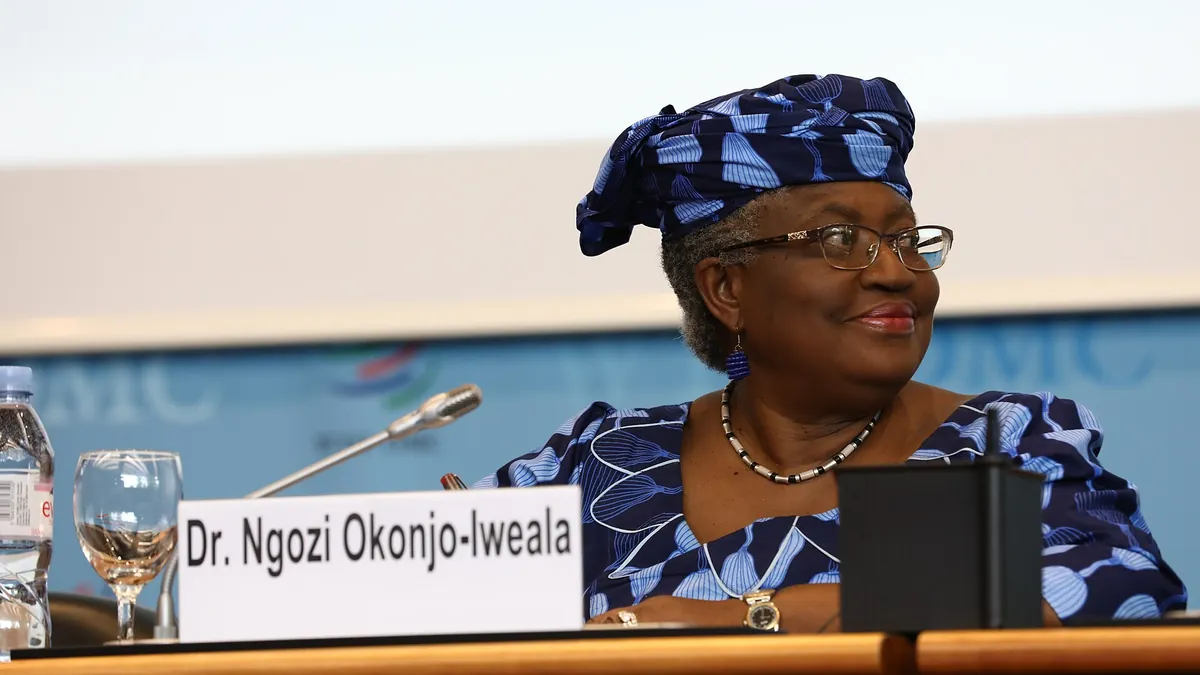
Archive image · Photo: World Trade Organization / Wikimedia Commons, CC BY-SA 2.0 (cropped and resized)
The wars in Ukraine and the Middle East and geopolitical shifts will leave a lasting mark on world trade, according to the World Trade Organization (WTO). Companies are hedging against future shocks, WTO Director-General Ngozi Okonjo-Iweala told the Reuters news agency on the sidelines of the IMF and World Bank meetings in Bangkok. There is absolutely no doubt that supply chains are being restructured, she said. Business leaders have found new trade routes that cost more – and some of them will stay.
Trade in the Middle East has slumped because of the war with Iran, recovery will take time and some changes could be permanent, she said. Private-sector experts do expect a rebound once the war ends and the Strait of Hormuz reopens. But Okonjo-Iweala stressed that recurring conflicts make diversification and contingency planning necessary. She cited the wave of tariffs imposed by US President Donald Trump as another source of disruption.
Only last week the WTO raised its forecast for global goods trade growth in 2026 from 1.9 to 3.9 percent, because demand for AI technology is partly offsetting the effects of the war. The impact of artificial intelligence is masking other trade trends that are not on the positive side, Okonjo-Iweala now warned. The outlook remains uncertain because of the conflicts, tariffs and fears that the AI boom could fade or collapse. Nearly three quarters of world trade, however, is still conducted under WTO rules.