
IMF: Middle East economy to shrink in 2026 – buffers against energy shock thin
The Fund expects the Middle East, North Africa and Pakistan to contract by 1.3 percent. New disruptions to energy or shipping could push prices up even more sharply.
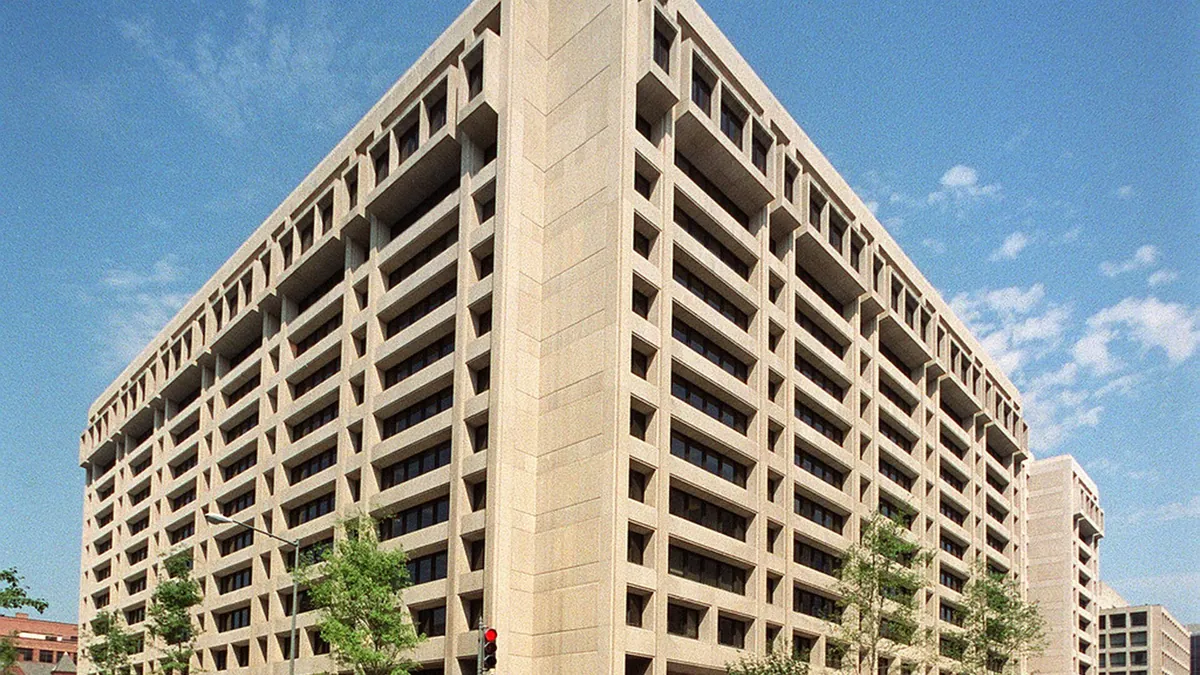
Symbolic image · Photo: International Monetary Fund / Wikimedia Commons, Public domain (cropped and resized)
The International Monetary Fund (IMF) is warning of an even stronger economic shock in the Middle East if there are new disruptions to energy supplies or shipping. The biggest risks are a prolonged war and new outages in energy production, shipping or critical infrastructure, Jihad Azour, director of the IMF's Middle East and Central Asia Department, said on Thursday at the annual meetings in Bangkok. So far, the energy shock has been cushioned by pre-war surpluses, alternative supply routes, lower demand and drawdowns of stocks.
But these buffers are limited, Azour said: stocks have fallen and spare production capacity has shrunk. New disruptions could therefore trigger significantly stronger price swings. For the Middle East, North Africa and Pakistan region, the IMF expects the economy to contract by 1.3 percent in 2026, after growth of 3.3 percent in 2025. For 2027 it forecasts a strong but uneven recovery of 6.6 percent – provided the movement of goods and shipping normalise in the first quarter of 2027.
Oil prices are likely to stay higher, according to the IMF. Oil-exporting countries hit directly by the war will contract significantly in 2026 and grow strongly in 2027, but remain below pre-conflict medium-term forecasts. For the Caucasus and Central Asia, the IMF predicts growth slowing to 5.2 percent in 2026 and 5.0 percent in 2027. Azour advised governments to prioritise price stability and rebuild fiscal buffers. The IMF plans to publish its detailed regional outlook on 22 October.