
Serbia ahead of the vote: students aim to move from protest to government
Serbia holds an early parliamentary election on 25 October. The Student List, born of two years of protests, takes on the party of Aleksandar Vučić, who wants to become prime minister.
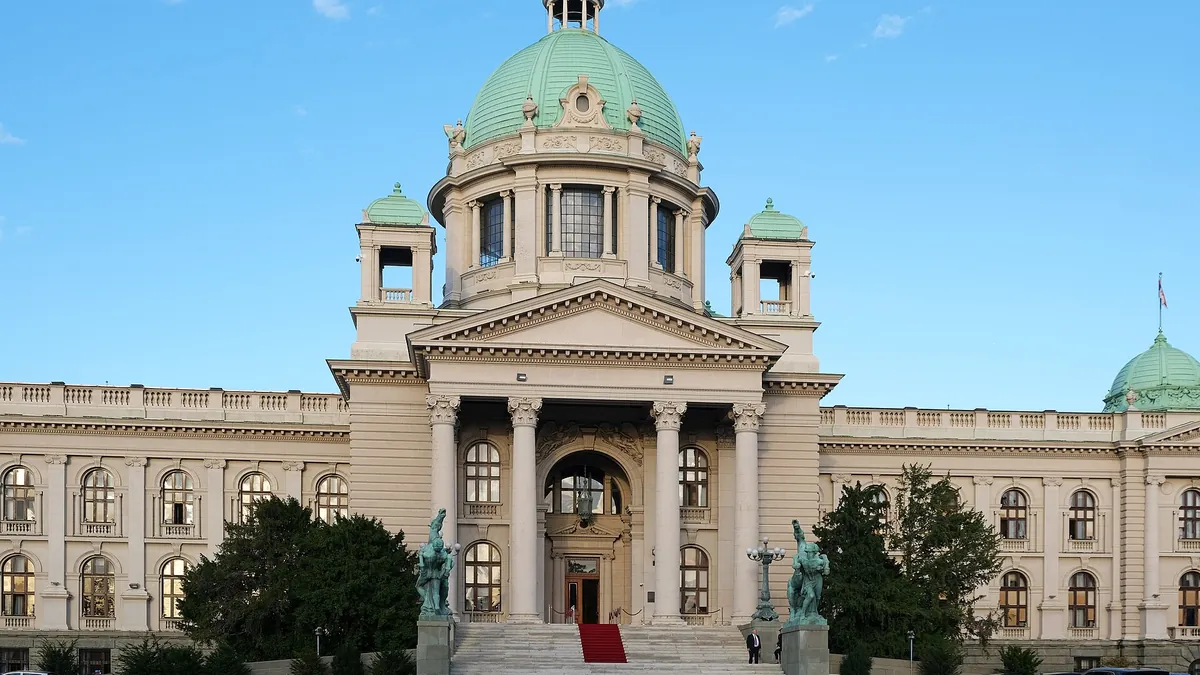
Symbolic image · Photo: kallerna / Wikimedia Commons, CC BY-SA 4.0 (cropped and resized)
Nine days before Serbia's early parliamentary election on 25 October, the student protest movement is trying to turn pressure on the streets into political power. Its Student List is challenging Aleksandar Vučić's Serbian Progressive Party (SNS), which has governed since 2012. Vučić resigned as president last month to lead his party's campaign and hopes to return as prime minister. He has been either president or prime minister since 2014, and the vote is seen as a referendum on him.
The Student List's candidates were chosen in plenary meetings at university faculties. Students themselves are not running; sitting members of the governing parties were excluded, and opposition politicians could stand only if they held no leadership posts. Most candidates are little known to the public; prominent spokespeople include former central bank governor Dejan Šoškić. The programme focuses on press freedom, judicial independence, a law to scrutinise the origins of wealth, and better education, healthcare and affordable housing.
The protests began in November 2024 after a railway station canopy collapsed in Novi Sad, killing 16 people. Vučić is campaigning on stability and close ties with China, Russia and the United States while pursuing EU membership. The Committee to Protect Journalists has warned that reporters covering the vote have faced violent attacks. The EU delegation in Belgrade called for "free, fair and transparent elections in line with international standards."