
Espionage and sabotage: Bundestag clashes over defence – AfD sees “wrong priorities”
In a topical debate, the CDU/CSU and SPD defended their reform of the intelligence services. The AfD accused the government of focusing too heavily on fighting the right.
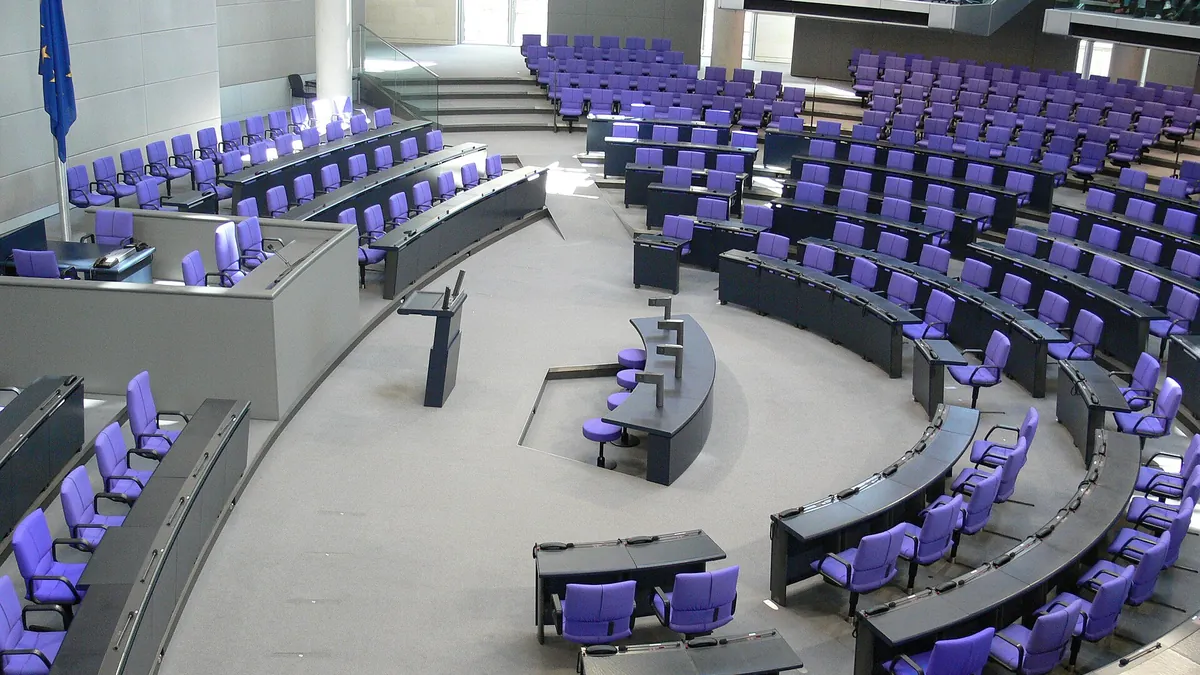
Symbolic image · Photo: Andreas Praefcke / Wikimedia Commons, CC BY 3.0 (cropped and resized)
On Thursday, the Bundestag held a topical debate requested by the CDU/CSU and SPD on espionage, sabotage and hybrid attacks. The focus was on the planned reform of intelligence law and the arrest of a former head of the BND foreign intelligence service on suspicion of espionage. CDU lawmaker Marc Henrichmann said the security situation had worsened, citing BND President Martin Jäger, who has said Russia puts Germany “to the test every day”. He called for “robust measures against the enemies of our democracy”.
AfD lawmaker Stefan Keuter accused the government of setting “completely wrong priorities”, arguing that a “power-politically motivated fight against the right” makes it lose sight of Islamist and far-left terrorism. He criticised that foreign intelligence and domestic surveillance were being “inadmissibly mixed” and demanded a “radical change of course”. SPD interior policy expert Daniel Baldy countered that the BND would get its own law and that oversight by courts and parliament would be strengthened; the services needed a “licence to save lives”.
Green politician Konstantin von Notz called the case of the former BND chief a “hard blow” for the security agencies; the presumption of innocence applies, he said, but the allegations are “massive and substantiated”. He called for rules to stop former senior officials from selling their expertise to authoritarian regimes. Jan Krampe of the Left Party stressed that espionage and sabotage are real threats that must be prosecuted under the rule of law, but said the buzzword resilience does not protect a single hospital or power grid – binding standards, clear responsibilities and sufficient staff and funding are needed.