
X-ray view inside fuel-rod cladding: PSI measures protective layers at the nanoscale
Using a new X-ray method, the Paul Scherrer Institute has examined in 3D the cladding of fuel rods used in a reactor. The result: the protective oxide layer stays dense even after years.
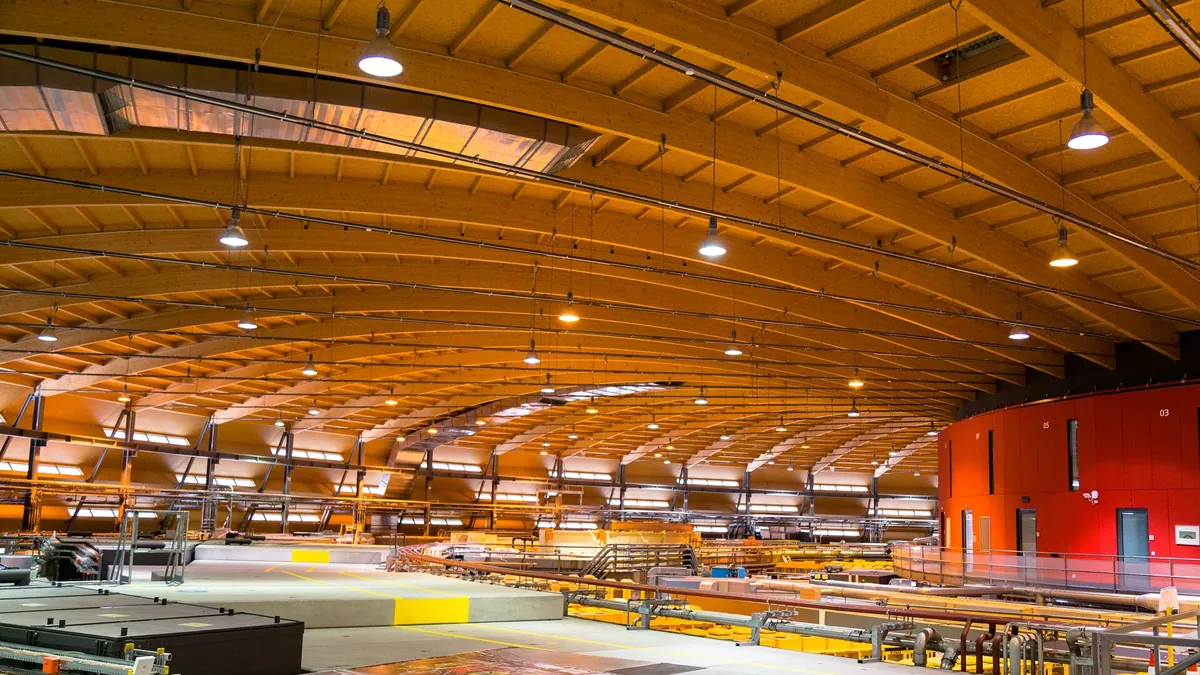
Archive image · Photo: Ryan Bodenstein / Wikimedia Commons, CC BY 3.0 (cropped and resized)
Researchers at the Paul Scherrer Institute (PSI) in Switzerland have presented a new method for testing fuel-rod cladding. These tubes made of zirconium alloys enclose the nuclear fuel; during operation a layer of zirconium oxide forms on their surface. Using ptychographic X-ray computed tomography (PXCT) at the Swiss Light Source (SLS), the team produced three-dimensional images of this layer at nanometre-scale resolution. The study, with first author Okan Yetik, was published online on 11 October in the journal Advanced Engineering Materials.
The samples included cladding from fuel rods that had actually been used in a reactor. To keep their radiation as low as possible, the samples were reduced to tiny columns just 20 micrometres in diameter. The method revealed even pores as small as 80 nanometres.
The result: the protective oxide layers remained dense even after years of operation. Their density was practically the same as that of non-irradiated samples treated in an autoclave in the lab. According to PSI, this suggests that such standard material tests can deliver meaningful results.