
Israel heads to the polls: economy grows despite war, but prices worry voters
Just over two weeks before the Oct. 27 Knesset election, Israel's economy is growing and unemployment is 2.8%. But high prices and war costs weigh on voters.
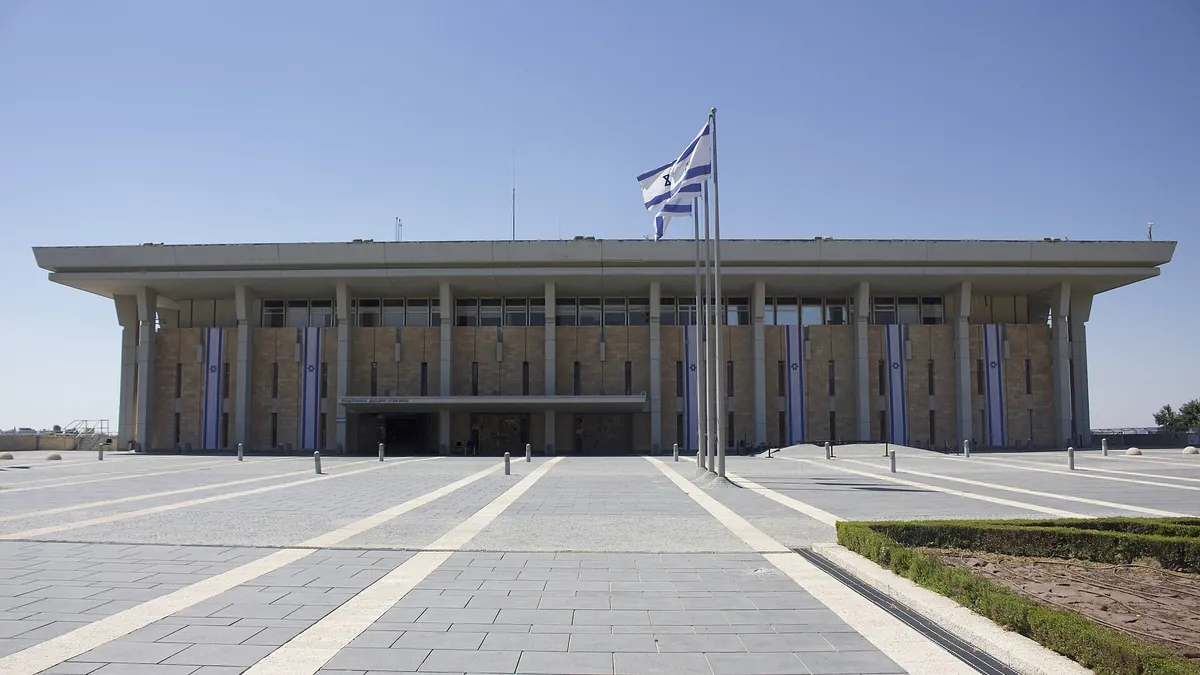
Archive image · Photo: Clema12 / Wikimedia Commons, CC BY-SA 4.0 (cropped and resized)
Just over two weeks before the Knesset election on Oct. 27, Israel's campaign has centred on security, with Prime Minister Benjamin Netanyahu (Likud) and Gadi Eisenkot (Yashar) each claiming to be best placed to keep Israelis safe. The economy, meanwhile, is doing surprisingly well: GDP grew 2.9% in 2025 and 3.2% in the first half of 2026. The Bank of Israel forecasts 4% growth this year, unemployment is 2.8% and inflation 1.5%. Foreign direct investment hit a record $26.2bn in 2025.
But the wars are costly. The central bank estimated in March that their cost had reached about 350 billion shekels ($114.6bn), excluding the Iran war. Netanyahu has proposed a defence budget of 183 billion shekels, about 9% of GDP. Food prices rose 8% from the start of 2024 to mid-2026, according to the group Lobby 99.
In an Israel Democracy Institute poll, 38% of Jewish Israelis and 46% of Palestinian citizens of Israel named the economy and cost of living as the most or second-most important election issue. Keren Uziyel of the Economist Intelligence Unit (EIU) warned that the outlook depends heavily on security, with significant downside risks should conflicts in Gaza, with Iran or on the Lebanon front resume.