
World Day Against Death Penalty: Pike case shows a divided United States
Christa Pike's failed execution and plans for a public one have sharpened the U.S. debate, though most Americans still see capital punishment as justified for murder.
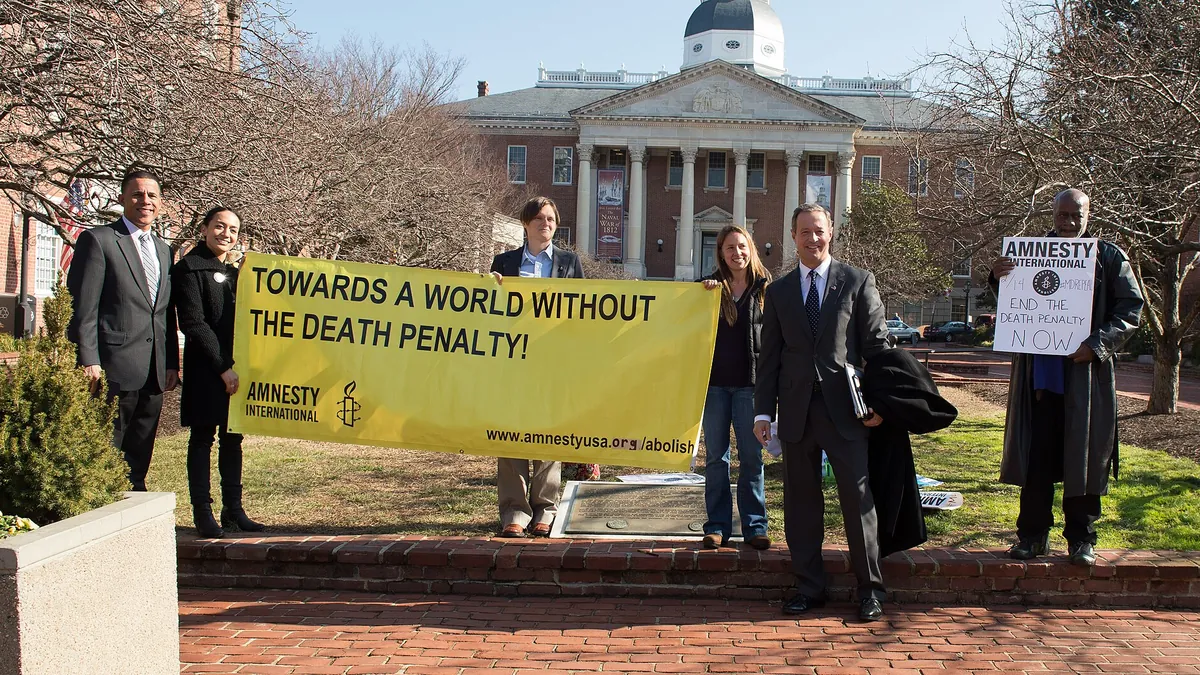
Symbolic image · Photo: Maryland GovPics / Wikimedia Commons, CC BY 2.0 (cropped and resized)
The World Day Against the Death Penalty on Oct. 10 has put a sharp focus on the United States. In Tennessee, Christa Pike survived two doses of pentobarbital in late September, prompting Gov. Bill Lee to halt the state's remaining executions this year and order an independent review. Pike was sentenced to death in 1996 for killing her 19-year-old classmate Colleen Slemmer, whose family supports the execution, according to The Associated Press.
Thirty people have been executed in the U.S. this year and eight more executions are scheduled, mostly in Texas and Florida, AP reported. After the failed attempt, Republican lawmakers in Tennessee raised the electric chair or firing squads as alternatives. A Pew Research Center survey in July found about two-thirds of adults consider the death penalty morally justified for murder, while about 7 in 10 see some risk of executing an innocent person.
Supporters such as law professor Robert Blecker argue the public should be able to see what is done in its name. Tennessee's Catholic bishops, by contrast, have called for Pike's sentence to be reduced to life in prison. EU foreign policy chief Kaja Kallas and Council of Europe Secretary General Alain Berset urged all countries to impose an immediate moratorium, calling the death penalty inhumane and degrading treatment.
Sources
- AP/ABC News, „A botched execution and plans for one in public show the US is conflicted about capital punishment“, 09.10.2026
- Europarat/EU, „European and World Day against the Death Penalty: joint statement“, 10.10.2026
- Rome Reports, „World Day Against the Death Penalty Comes at a Critical time this year“, 10.10.2026