
Port Sudan: families spend their entire salary on water
Water supply covers less than 40 percent of demand in a city swollen by people fleeing the war. Doctors warn of cholera, malaria and dengue.
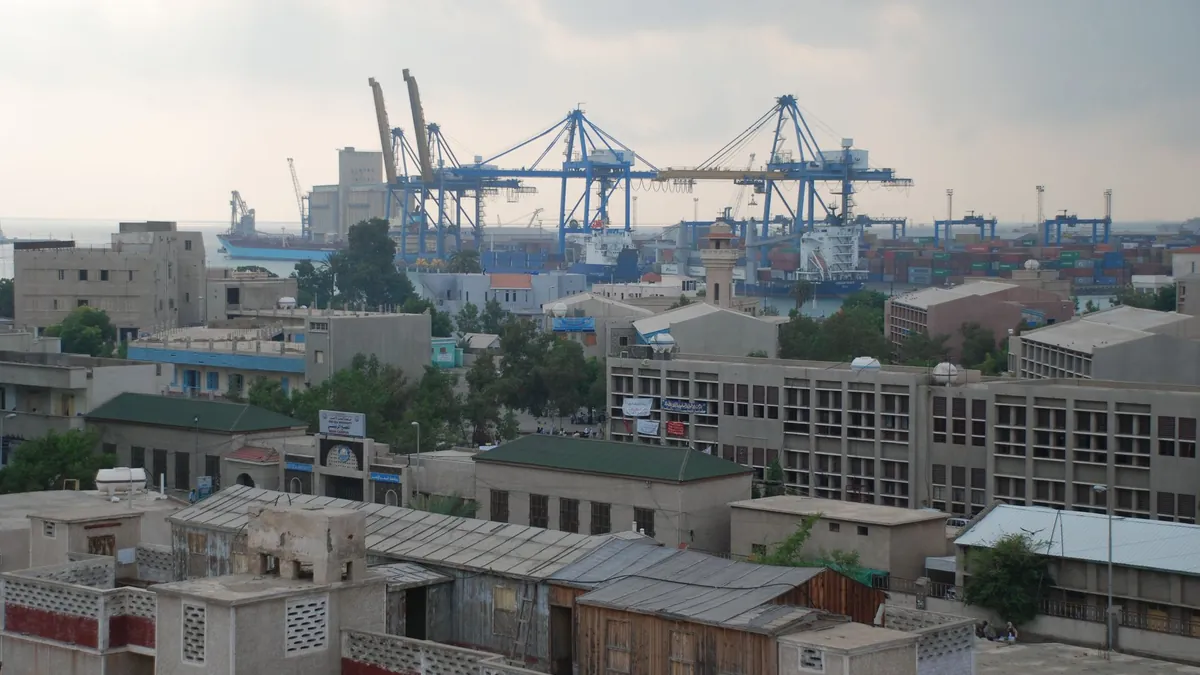
Symbolic image · Photo: Bertramz / Wikimedia Commons, CC BY 3.0 (cropped and resized)
In Port Sudan, the provisional seat of government, many families can barely afford drinking water. According to the African Development Bank, supply meets less than 40 percent of demand, while the population – around one million people, by the UN Development Programme's estimate – has grown with those displaced by the war. The Arbaat Dam, which once supplied half of daily needs, collapsed in August 2024 after heavy rain. A mother of four told Al Jazeera she pays about one dollar a day for water – over 30 days, as much as her entire monthly salary.
A water vendor says a 50,000-litre tanker now costs 1.5 million Sudanese pounds (about $150), compared with around 450,000 before the war. According to UNDP, new boreholes, 17 kilometres of pipeline and solar pumps could supply almost 230,000 people. Emad Hafez of Port Sudan Teaching Hospital warns that shortages push people towards untreated water, raising the risk of cholera, while open containers encourage malaria and dengue.