
IIASA study: Methane plans would reverse growth but miss the 2030 target
If countries fully implement their plans, methane emissions would fall 11 percent by 2030, short of the 30 percent global goal. Fossil fuels offer the largest potential.
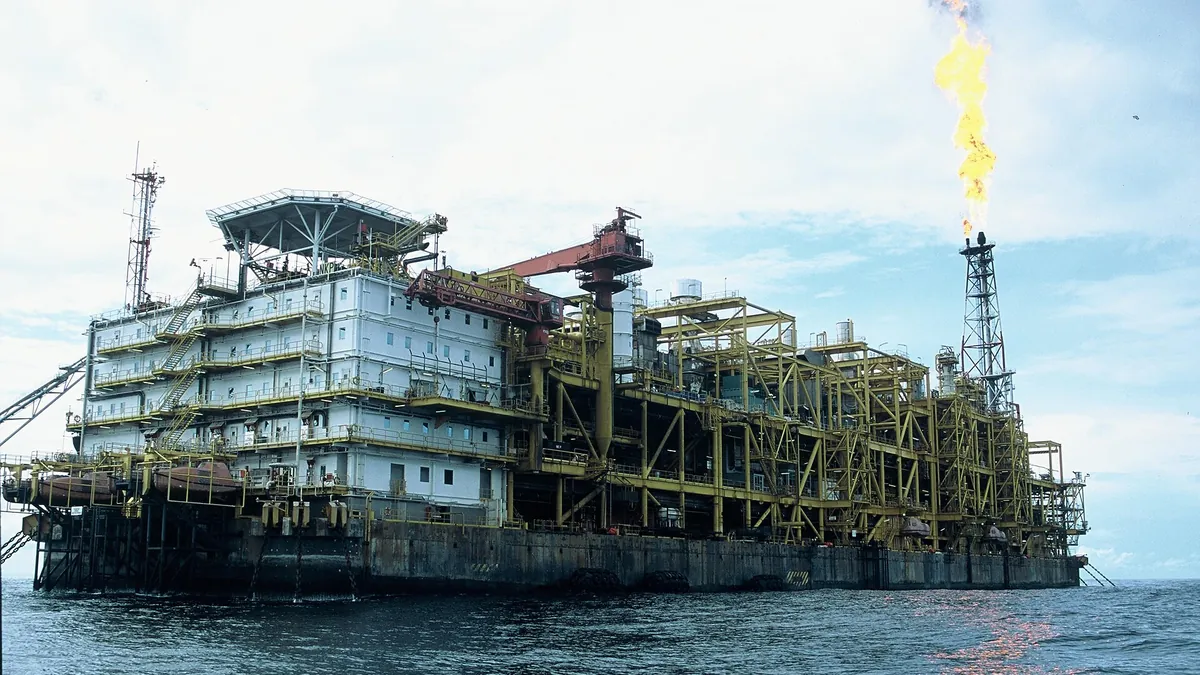
Symbolic image · Photo: Stephane Lesbats (IFREMER, Pôle Images, Centre Bretagne - ZI de la Pointe du Diable - CS 10070 - 29280 Plouzané, France) / Wikimedia Commons, CC BY 4.0 (cropped and resized)
National methane reduction plans could reverse the rise in emissions but fall short of the global target for 2030, according to a study led by Lena Höglund-Isaksson of the International Institute for Applied Systems Analysis (IIASA) in Laxenburg, Austria, with co-authors from the UN Environment Programme (UNEP). It was published in 2026 in the American Geophysical Union journal Global Biogeochemical Cycles. If the submitted plans were fully implemented, global methane emissions would fall by 11 percent between 2020 and 2030, the authors say. The Global Methane Pledge, backed by 159 countries and the European Commission, calls for a 30 percent cut.
Methane is the second-largest driver of warming after carbon dioxide. According to the researchers, about two-thirds of emissions come from human activities, roughly 40 percent each from energy and agriculture and about 20 percent from waste and wastewater. Since pre-industrial times, methane has contributed about 0.5 degrees Celsius, roughly one-third of the warming observed so far. About 70 percent of the technical mitigation potential to 2030 lies in fossil fuels: less venting and flaring of associated gas, control of leaks in oil and gas production and transport, and lower emissions from coal mining.
The results are model scenarios, not measured emissions: according to the paper's title, they are based on bottom-up simulations that calculate emissions source by source. A 22 percent cut appears achievable at relatively low cost, while 30 percent would nearly exhaust the potential of existing technology, the authors say. The target is technically feasible but difficult given the short time left before 2030. Agriculture is the hardest sector: solutions exist for rice paddies and manure, but the potential for ruminant digestion is limited. The available summaries give no error margins.