
World Savings Day: German households put aside 18.9% of their income
German households save considerably more than the EU average of 14.3%, according to the Federal Statistical Office. Inflation most recently stood at 3.3%.
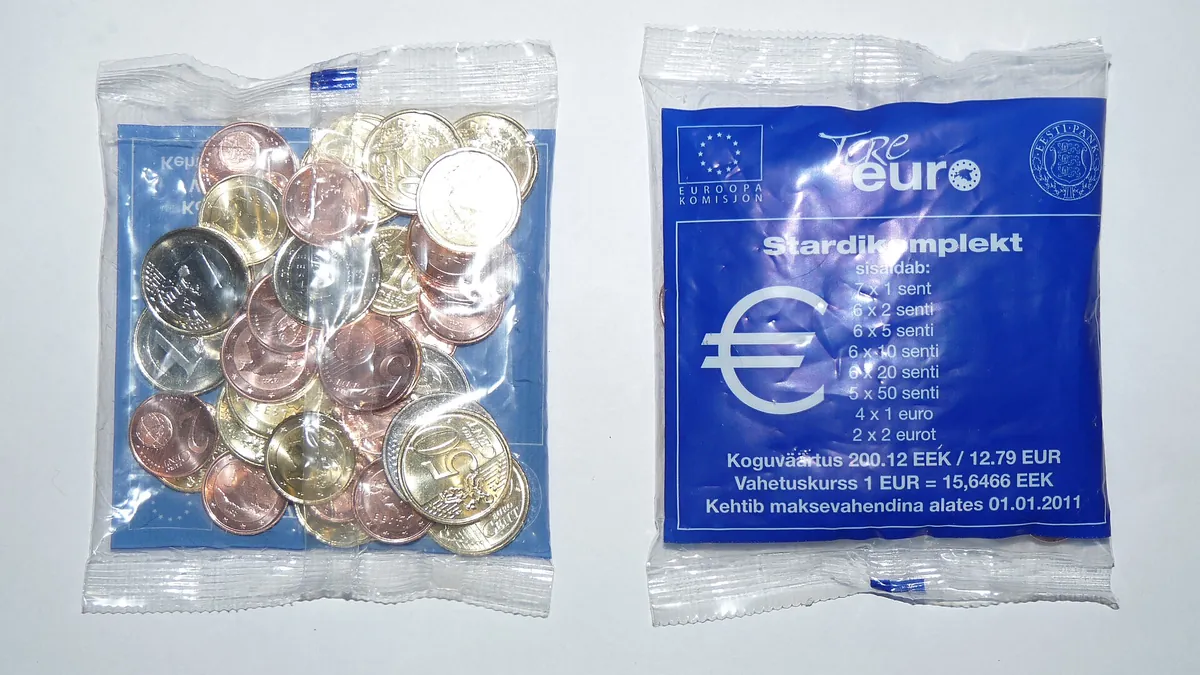
Symbolic image · Photo: Dmitry G / Wikimedia Commons, CC BY-SA 3.0 (cropped and resized)
Private households in Germany saved around 18.9% of their disposable income in 2025. The Federal Statistical Office (Destatis) said so on Oct. 27, 2026, ahead of World Savings Day on Oct. 30. The so-called gross saving rate averaged 14.3% across the EU. In the first half of 2026, Germany's rate was also 18.9%, according to provisional figures.
Among comparable countries, only Switzerland was clearly higher at 27.4% in 2025, according to Destatis. France's rate was 17.8% and the Netherlands' 17.4%. Austria stood at 15.7%, Italy at 10.8% and the United States at 10.7%. Germany's saving rate peaked at 22.9% in 2020 during the Covid-19 pandemic, when spending collapsed; in 2024 it was 19.6%.
The gross saving rate shows the share of disposable income that households save before depreciation – mainly on housing – is deducted. Newly acquired occupational pension entitlements are included, while gains on shares or rising property values are not. Inflation remains a concern for savers: Germany's inflation rate was 3.3% in September 2026, according to Destatis, and light heating oil cost 74.9% more than a year earlier. The office plans to publish provisional figures for October in the course of Oct. 30.
This article is for information only and is not legal, tax, financial or medical advice. Figures as of the date stated.