
Aspirin and dementia: possible benefit only for certain genes, study suggests
Among people with a genetic profile for high platelet counts, 1% of aspirin users developed dementia versus 3.3% on placebo. At the same time, major bleeding was more than twice as common.
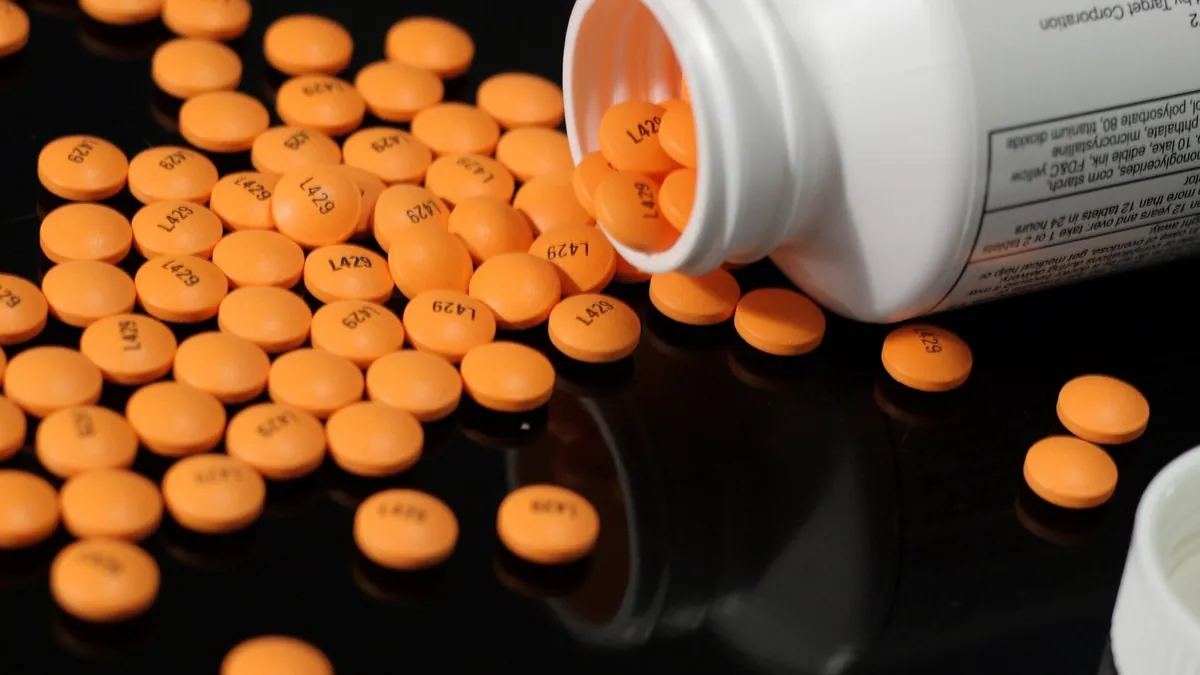
Symbolic image · Photo: Ragesoss / Wikimedia Commons, CC BY-SA 4.0 (cropped and resized)
Low-dose aspirin does not protect older people from dementia overall – but it may help a genetically distinct group. That is the suggestion of an analysis by researchers at Australia's Monash University published in the journal Alzheimer's & Dementia, which ScienceDaily reported on Oct. 25, 2026; the university presented the findings on Sept. 29, 2026. The team led by first author Peter Fransquet, a research fellow at Monash's School of Public Health and Preventive Medicine, used genetic data from more than 13,500 participants in the ASPREE trial, in which older adults received aspirin or a placebo. Each participant was given a so-called polygenic score describing their genetic tendency toward a high platelet count.
In the fifth with the highest scores, 1% of the aspirin group developed dementia, compared with 3.3% of the placebo group – about 70% fewer in relative terms, or a difference of roughly 2.3 percentage points in absolute terms. At the same time, major bleeding in this group occurred in 4.4% of aspirin users and 2.1% on placebo. The researchers said the genetic signal was not linked to known Alzheimer's risk genes and points toward platelet biology. "Previous trials found aspirin didn't prevent dementia when everyone was considered together," Fransquet said.
The authors stress that the findings must be confirmed in other studies and populations, ideally in a trial designed for that purpose. Fransquet told Newsweek the findings were not sufficient to change recommendations on aspirin use. Thomas Holland, a physician scientist at Rush University, told Newsweek aspirin is "by no means a benign medication." People should not start taking aspirin to prevent dementia on the basis of this study without consulting their doctor, Fransquet said. Dementia Australia estimates that about 446,500 Australians are living with dementia in 2026.
This article is for information only and is not legal, tax, financial or medical advice. Figures as of the date stated.