
Chip plants without Chinese magnets? TSMC asks suppliers for rare-earth-free motors
The world's largest contract chipmaker wants to reduce its reliance on Chinese rare earths. Talks with equipment makers are at an early stage, Reuters reported.
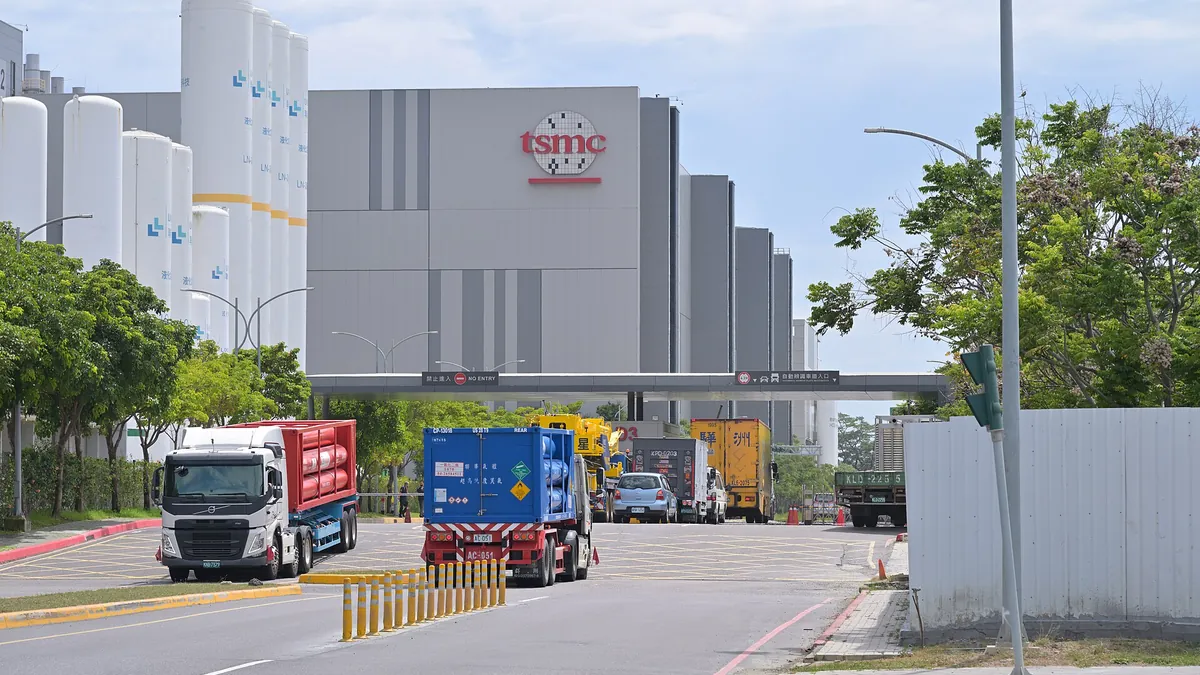
Archive image · Photo: 4300streetcar / Wikimedia Commons, CC BY 4.0 (cropped and resized)
Taiwanese chipmaker TSMC is looking for ways to make its factories less dependent on Chinese rare earths. Citing people familiar with the matter, Reuters reported that the world's largest contract chipmaker has asked its equipment suppliers whether motors in its factory automation systems could be replaced with versions that contain no rare earths. The discussions are at an early stage and there has been no broad rollout. Rare-earth permanent magnets drive many moving parts in industrial equipment, and a shortage of spare parts could complicate maintenance, repairs or production expansion.
China dominates the market. Figures from the International Energy Agency and the U.S. Geological Survey cited by Tom's Hardware put its share at about 70% of mining, around 90% of refining and about 95% of finished permanent magnets. Beijing introduced export licences for seven rare earths and related magnets in April 2025; a broader expansion announced in October 2025 was suspended until Nov. 10, 2026, and has since been extended by a further 90 days. Alternatives include induction motors, switched-reluctance motors and motors with ferrite magnets, each with trade-offs in efficiency, size or precision.
Taiwan is also working on its own supply. In February, Economics Minister Kung Ming-hsin said the ITRI research institute would build a pilot line within three years that could cover about half of domestic rare-earth demand. It has been an eventful week for TSMC: according to Benzinga, four workers were killed on Tuesday in an accident at the construction site of its Kaohsiung plant, prompting the company to halt steel-structure work at several sites in Taiwan. On Wednesday, Moody's upgraded the group's credit rating to Aa2.