
Radio trackers in threes: Rocket Lab launches Hawk satellites on 98th Electron mission
The Electron rocket placed three HawkEye 360 satellites into a 520-kilometre orbit. They locate radio signals, for example from ships or GPS jammers.
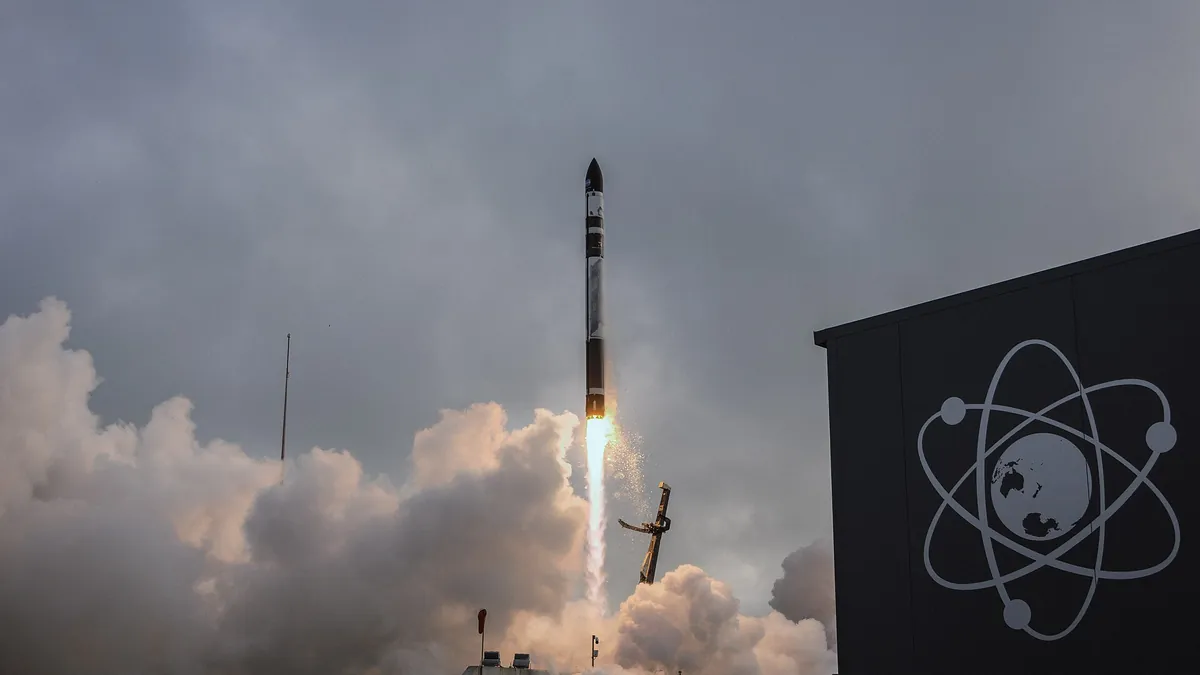
Symbolic image · Photo: NASA Kennedy Space Center / Rocket Lab / Wikimedia Commons, Public domain (cropped and resized)
U.S.-New Zealand launch company Rocket Lab sent three satellites into orbit for data provider HawkEye 360 on Friday. The roughly 18-metre Electron rocket lifted off at 8:11 p.m. local time (0711 GMT) from Launch Complex 1 in New Zealand, the company said, bound for a low Earth orbit at 520 kilometres. The mission was named “We're Not Hawking Around.” According to Space.com, it was Rocket Lab's 98th launch overall and its 19th this year; 16 of those were orbital Electron flights and three were suborbital flights of the HASTE variant. The company says it is approaching the 100-launch mark.
The Hawk satellites fly in clusters of three and collect radio signals across the frequency spectrum. According to Rocket Lab, the data can be used to track ships, detect satellite-navigation jammers and monitor radar sites. The Virginia-based company sells its analysis to customers including the U.S. government and its allies. HawkEye 360 has launched nearly 50 satellites since 2018, Space.com reported. Only two days earlier, three more Hawk satellites flew on SpaceX's Bandwagon-5 rideshare mission. It was HawkEye 360's third launch on an Electron.